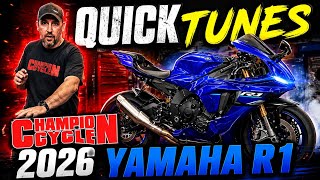
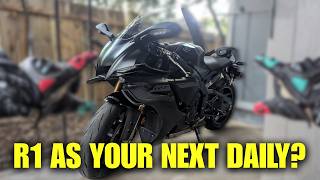
The Evolution of the 2026 Yamaha YZF-R1: A Superbike Icon
The sportbike landscape continues to shift, but few machines command the same level of respect as the Yamaha YZF-R1. As riders look toward the 2026 model year, the conversation centers on how Yamaha preserves the legendary performance of its flagship platform while navigating changing global regulations. The 2026 R1 remains a testament to decades of engineering excellence, blending track-ready capability with the unmistakable character of the crossplane crankshaft engine.
The Heart of the Machine: The CP4 Engine
At the center of the 2026 R1 experience is the celebrated CP4 engine. This crossplane crankshaft inline-four engine has defined the R1’s identity since its introduction, providing a unique power delivery and a signature exhaust note that sets it apart from traditional flat-plane inline-four configurations. The uneven firing order mimics the torque characteristics of a V4 engine, offering exceptional rear-wheel traction and a visceral connection between the rider’s wrist and the pavement.
For enthusiasts, the CP4 engine is more than just a power plant; it is the soul of the bike. Whether on the street or the track, the engine’s ability to pull hard through the rev range remains a benchmark for the liter-bike class. Updates to the 2026 iteration focus on refining throttle response and ensuring that this high-performance engine continues to meet modern standards without sacrificing the raw, aggressive performance that riders expect.
Living with the 2026 R1
Owning a brand-new R1 is an experience that balances uncompromising performance with daily usability. While the bike is undoubtedly designed for the racetrack, Yamaha has invested heavily in the electronics suite to make the platform accessible to a wider range of riders. The current generation features advanced rider aids, including:
- Traction Control Systems (TCS): Utilizing lean-angle-sensitive sensors to manage power delivery.
- Slide Control System (SCS): Allowing for precise control during aggressive cornering.
- Lift Control (LIF): Managing wheelies to ensure consistent acceleration.
- Quick Shift System (QSS): Providing seamless, clutchless gear changes for both upshifts and downshifts.
Living with the 2026 R1 means appreciating these systems on the road, where they provide a crucial safety net. However, the bike’s ergonomic profile remains aggressive. The rider triangle is set up for tucking in behind the windscreen, which is perfect for track days and canyon carving, though it demands a certain level of physical commitment for longer highway stretches.
Customization and Performance Upgrades
One of the joys of the R1 platform is the vast aftermarket support available. Owners often seek to amplify the bike's natural characteristics through strategic modifications. A popular starting point is the installation of a full titanium exhaust system, such as those from Akrapovic. These systems not only shed significant weight from the chassis but also unlock the full acoustic potential of the CP4 engine, allowing it to "sing" with an unfiltered, racing-inspired tone.
Beyond exhaust systems, high-end components—such as upgraded rearsets, carbon fiber bodywork, and specialized braking hardware—are frequently utilized to tailor the bike to specific rider preferences. For those looking to source parts, reputable providers offer a wide range of accessories that ensure the R1 remains at the cutting edge of performance.
The Future of the R1 Lineup
The motorcycle industry has seen the retirement of several iconic sportbikes in recent years, leading to speculation about the future of the liter-bike category. The Yamaha R1 has navigated these changes by focusing on its heritage while embracing modern technology. While the R6 was transitioned to a track-only model, the R1 has maintained its presence in the new-bike market, catering to those who demand the pinnacle of Japanese engineering.
Deciding which R1 to get—whether a brand-new model or a well-maintained previous