Discovering Animal Habitats: A Magical School Project Adventure
Imagine a curious fairy named Lila, fluttering through forests, oceans, and deserts, eager to learn and share the wonders of animal habitats. Today, Lila invites you to join a fun, educational journey that blends science, creativity, and a touch of enchantment. Whether you’re a student in a summer break class or a teacher planning a hands‑on lesson, this guide will help you create engaging projects that explore the diverse homes of wildlife around the world.
Why Study Animal Habitats?
Understanding animal habitats helps us appreciate how species adapt to their surroundings. It also highlights the importance of conservation and the impact of human activities on ecosystems. By examining habitats, students can connect biology with geography, environmental science, and even art.
Key Concepts to Cover
- Habitat Definition: The natural environment where a species lives.
- Adaptations: Physical or behavioral traits that help animals survive.
- Biomes: Large ecological areas like forests, deserts, and oceans.
- Human Impact: How development, pollution, and climate change affect habitats.
Project Ideas for Every Classroom
Below are three DIY projects that combine science, art, and storytelling. Each activity is designed to fit into a typical school curriculum and can be completed with inexpensive materials.
1. DIY Ocean Diorama
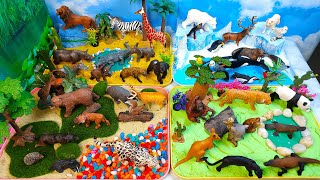
Inspired by popular science projects, the ocean diorama allows students to build a miniature underwater world using cardboard, paint, and recycled items. This project is perfect for a summer break assignment and encourages creativity while reinforcing marine biology concepts.
- Gather a shallow cardboard box, water, seaweed, plastic fish, and blue paint.
- Paint the interior of the box blue and add layers of seaweed to simulate depth.
- Place plastic fish and other marine creatures in the diorama, arranging them to show different zones (surface, mid‑water, and deep sea).
- Label each zone with the names of the animals and explain how they adapt to their specific environment.
- Optional: Add a small speaker playing calm ocean sounds from the YouTube music library to create an immersive experience.
2. Forest Model with Color Mixing
Students can build a forest model that showcases the vibrant colors of foliage and wildlife. Using simple color mixing techniques, they’ll learn how light and pigment combine to create the rich hues of a natural forest.
- Cut out tree shapes from cardboard and paint them with primary colors.
- Mix colors on a palette to achieve secondary colors for leaves and flowers.
- Arrange the trees in a landscape, adding small animal figures such as birds, deer, or foxes.
- Write brief descriptions of each animal’s habitat and adaptations.
3. Australian Wildlife Habitat Showcase
Australia’s unique ecosystems—from the Great Barrier Reef to the Outback—offer a wealth of educational opportunities. This project encourages students to research and present a specific Australian habitat.
- Choose a habitat: rainforest, desert, reef, or