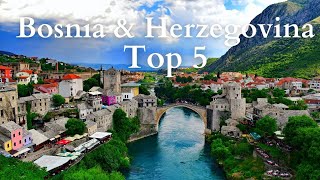
Bosnia and Herzegovina Is a Country With a Complex Identity
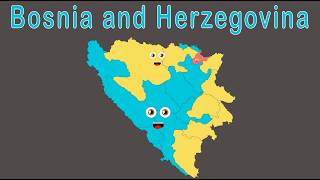
Located in the heart of the Balkan Peninsula, Bosnia and Herzegovina is a country defined by its dramatic landscapes, rich cultural tapestry, and a history that is as turbulent as it is inspiring. Often colloquially referred to as the "Belgium of the Balkans" due to its intricate political structure and multi-ethnic composition, the nation serves as a fascinating crossroads between Eastern and Western traditions. While the country has faced significant challenges, its resilience and beauty continue to captivate travelers and historians alike.
A Geography of Dramatic Contrasts
Bosnia and Herzegovina is a land of striking natural beauty. Its geography is dominated by the Dinaric Alps, which cut through the country, creating rugged terrain that eventually slopes down toward the Pannonian Basin in the north. This mountainous landscape provides some of the most breathtaking scenery in Europe, characterized by deep river canyons, turquoise waterfalls, and dense, ancient forests.
The country’s water systems are equally impressive. The Neretva River, known for its emerald-green waters, carves through the landscape, eventually reaching the Adriatic Sea. While the coastline of Bosnia and Herzegovina is tiny—stretching only about 20 kilometers at the town of Neum—it provides the country with essential access to the sea. The rest of the nation is landlocked, surrounded by Croatia to the north, west, and south, and Serbia and Montenegro to the east.
The Historical Narrative
To understand why Bosnia and Herzegovina is a country of such depth, one must look at its past. The region has served as a frontier for empires for centuries. It was once a point of convergence between the Roman Empire and the Byzantine Empire, and later, it sat at the intersection of the Ottoman and Austro-Hungarian Empires. This layering of history is visible in the architecture, cuisine, and religious life of the local people.
The Ottoman influence introduced Islam to the region, which remains a core pillar of the country's cultural identity today, alongside Orthodox Christianity and Roman Catholicism. This blend of faiths creates a unique atmosphere where minarets and church spires often stand within sight of one another. The 20th century, however, brought profound hardship, including the dissolution of Yugoslavia and the subsequent conflict of the 1990s. Today, the country is in a process of constant rebuilding, reflecting on its story with a mixture of solemnity and hope.
Navigating the "Belgium of the Balkans"
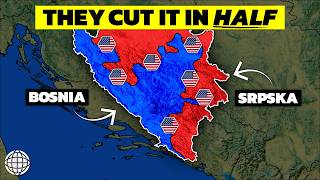
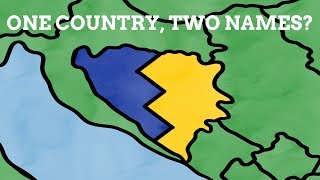
The political structure of Bosnia and Herzegovina is unique in the modern world. Following the Dayton Agreement, the country was divided into two main entities: the Federation of Bosnia and Herzegovina and the Republika Srpska, with the Brčko District serving as a self-governing administrative unit. This decentralized system is what often leads observers to compare it to Belgium, as it requires a delicate balance of power between its three constituent peoples: Bosniaks, Serbs, and Croats.
While this political arrangement can be complex, it is a testament to the nation's commitment to maintaining a shared home. For visitors, this complexity manifests as a rich, diverse experience. You can find yourself eating traditional cevapi in a bustling Ottoman-style bazaar in Sarajevo one day, and exploring the Austro-Hungarian boulevards of the city center the next.
Tips for Exploring the Region
For those looking to discover the country firsthand, careful planning can make the journey both affordable and rewarding. Whether you are interested in the historical significance of the Mostar Bridge or the natural wonders of the Kravica Waterfalls, there are many ways to optimize your itinerary:
- Travel Planning: Utilizing resources like TravelCapy can help you plan your entire trip for less, ensuring you get the most value out of your travel budget.
- Flight Deals: Keeping an eye on flight aggregators is essential for finding competitive rates into Sarajevo or nearby regional hubs like Split or Dubrovnik.
- Cultural Immersion: Engage with local history