Can You Get Implants For Front Teeth?
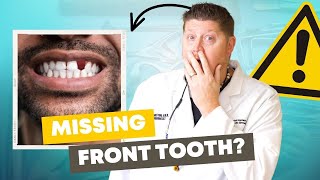
Missing front teeth can affect more than just your smile—it can impact speech, chewing, and confidence. Many people wonder whether dental implants are a realistic option for restoring those visible teeth. The short answer is yes: you can get implants for front teeth, and they often provide the most natural‑looking, long‑lasting solution available today.
What Exactly Is a Dental Implant?
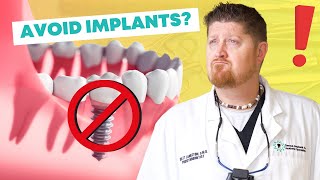
A dental implant is a small titanium post that is surgically placed into the jawbone. Over time, the metal fuses with the bone in a process called osseointegration, creating a stable foundation for a custom‑made crown that mimics the shape, color, and translucency of a natural tooth.
Why Choose Implants for Front Teeth?
Front teeth are the focal point of every smile, so the aesthetic outcome is especially important. Implants offer several advantages over other options such as bridges or removable dentures:
- Natural Appearance – The crown is fabricated to match adjacent teeth, giving a seamless look.
- Preservation of Bone – Unlike a bridge, an implant stimulates the jawbone, preventing the bone loss that often follows tooth extraction.
- Longevity – With proper care, implants can last a lifetime, whereas bridges may need replacement every 5–10 years.
- Comfort and Function – Because the implant is anchored in bone, there is no slipping or clicking, and you can bite and speak with confidence.
Are Implants Right for You?
Not everyone is an ideal candidate, but many people qualify. The key factors include:
- Bone Quantity and Quality – Sufficient jawbone is needed to hold the implant securely. If bone is lacking, a graft may be required.
- Overall Oral Health – Healthy gums and no active infections are essential.
- Commitment to Oral Hygiene – Implants need the same brushing, flossing, and regular dental visits as natural teeth.
If you’re trying to figure out if a dental solution fits your lifestyle, schedule a consultation with a qualified dentist. They will evaluate your mouth with X‑rays or a 3‑D scan and discuss any necessary preparatory steps.
How Much Do Front‑Tooth Implants Cost?
Cost is a common concern, and it varies based on several variables:
- Number of Implants – Each front tooth you replace adds to the total price.
- Geographic Location – Prices differ between urban and rural practices and between countries.
- Additional Procedures – Bone grafts, sinus lifts, or soft‑tissue grafts increase the overall expense.
- Materials and Lab Fees – High‑quality porcelain crowns may cost more than metal‑ceramic options.
On average, a single front‑tooth implant in the United States ranges from $3,000 to $6,000. Including the crown, the total often lands between $4,000 and $7,500 per tooth. Some practices offer financing or payment plans, and many dental insurance plans cover a portion of the surgical portion if it’s deemed medically necessary.
Step‑by‑Step: What to Expect During Treatment
Understanding the process can help reduce anxiety. Below is a typical timeline for getting a front‑tooth implant:
- Initial Consultation – The dentist reviews your medical history, takes diagnostic images, and discusses treatment goals.
- Treatment Planning – A digital mock‑up may be created to show how the final result will look.
- Surgical Placement – Under local anesthesia, the implant post is placed into the jawbone.
- Healing Phase (Osseointegration) – This period lasts 3–6 months, allowing the bone to fuse with the implant.
- Abutment Placement – Once integrated, a small connector (abutment) is attached to the implant.
- Crown Fabrication and Placement – The custom crown is made in a dental lab and then bonded to the abutment.
- Follow‑Up Care – Regular check‑ups ensure the implant remains healthy and functional.
Getting the Most Out of Your Implant
After your new front tooth is in place, maintain it just like any other tooth:
- Brush twice daily with a fluoride toothpaste.
- Floss or use an interdental brush to clean around the implant.
- Visit your dentist for routine cleanings and exams at least twice a year.
- Avoid smoking, as it can impair healing and increase the risk of implant failure.
Free Resources and Further Learning
Many dental offices provide educational material to help patients make informed decisions. Download your FREE Dental guide from reputable clinics to learn more about implant care, financing options, and after‑care tips.
In addition, you might find short educational videos helpful. In this video, I'm sharing with viewers a quick overview of the implant process, common myths, and what to expect during recovery. Look for hashtags like #dental #shorts #doctor #medical #medicalstudent #dentalcare #braces #invisalign on platforms such as YouTube or Instagram for bite‑size content.
Frequently Asked Questions
Q: Can I get an implant if I have gum disease?
A: Active gum disease must be treated first. Once the gums are healthy, an implant may be placed.
Q: How long does the whole procedure take?
A: The surgical placement is usually 1–2 hours. The healing phase adds 3–6 months before the final crown is attached.
Q: Will the implant look exactly like my natural teeth?
A: Yes. The crown is custom‑shaded to match your surrounding teeth, providing a seamless appearance.
Final Thoughts
Getting implants for front teeth is a reliable way to restore both function and aesthetics. While the upfront cost can be higher than a bridge, the long‑term benefits—preserved bone, durability, and a natural look—often make implants the preferred choice for many patients. If you’re getting front teeth replaced, schedule a consultation, ask about financing, and consider downloading a free dental guide to help you navigate the process.