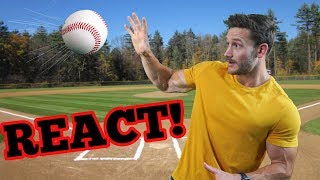
Can You Improve Your Reaction Time?
Reaction time is the interval between a stimulus and the body’s response. It’s a critical factor in everyday activities—from catching a falling cup to making split‑second decisions in sports. While genetics play a role, many studies show that targeted training can sharpen this skill. In this article, we explore evidence‑based strategies, eye‑brain drills, and sport‑specific drills that help you improve your reaction time.
Why Reaction Time Matters
Fast reaction time enhances safety, performance, and overall quality of life. Drivers with quicker responses are less likely to hit hazards; athletes who can react faster often gain a competitive edge. Beyond sports, quicker reflexes reduce the risk of falls in older adults and improve job performance in high‑pressure environments.
Scientific Foundations
Research in neurophysiology shows that reaction time is governed by neural pathways between sensory input, the central nervous system, and motor output. Key factors influencing these pathways include:
- Neural plasticity – the brain’s ability to reorganize connections.
- Synaptic efficiency – faster signal transmission.
- Muscle fiber recruitment – rapid activation of fast‑twitch fibers.
Regular practice can enhance each of these components, leading to measurable improvements.
Practical Training Methods
1. Interval Sprint Drills
Short, high‑intensity sprints train the nervous system to respond quickly to changes in speed and direction. Aim for 4–6 repeats of 30‑second sprints with 90‑second rest intervals.
2. Plyometric Exercises
Exercises like box jumps and depth jumps improve explosive power and the speed of muscle recruitment. Perform 3 sets of 8–10 reps, focusing on a rapid landing and