Carrot Early Nantes 5: Complete Growing Guide for a Sweet, Early Harvest
The Carrot Early Nantes 5 is a French‑origin Nantes carrot prized for its smooth, cylindrical shape, bright orange flesh and a naturally sweet, crisp bite. Because it matures in just 50‑60 days, it’s a favorite for gardeners who want a quick, reliable harvest. Whether you’re a seasoned grower or a beginner, this step‑by‑step guide will walk you through everything you need to know—from soil preparation to storage—so you can enjoy the biggest, sweetest carrots straight from your own garden.
Why Choose Carrot Early Nantes 5?
- Early maturity: Ready to pull in under two months, perfect for short growing seasons.
- Consistent flavor: Sweet, low‑fibrous flesh makes it ideal for raw snacks, salads, and roasting.
- Uniform shape: Straight, cylindrical roots are great for marketable produce or home cooking.
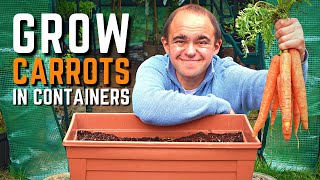
- Adaptable: Performs well in raised beds, containers, or traditional in‑ground rows.
Preparing the Planting Site
Carrots thrive in loose, well‑draining soil that allows the taproot to elongate without obstruction. Follow these steps to create the ideal environment:
- Test pH: Aim for a soil pH between 6.0 and 6.8. Amend with lime to raise pH or elemental sulfur to lower it, if needed.
- Loosen the soil: Till to a depth of 12‑15 inches, removing stones, clods, and any debris that could cause forked roots.
- Incorporate organic matter: Mix in 2‑3 inches of well‑rotted compost or aged manure to improve texture and fertility.
- Level the bed: Rake the surface smooth; a gentle slope helps water drain away from the roots.
Sowing the Seeds
Carrot Early Nantes 5 seeds are tiny, so handling them with care is essential.
- Direct sowing: Plant seeds ¼ inch deep, spacing them ¼‑½ inch apart in rows spaced 12‑18 inches apart. Lightly cover with fine soil and firm gently.
- Indoor start (optional): Sow in peat pots 2‑3 weeks before the last frost. Transplant seedlings when they are 2‑3 inches tall, taking care not to disturb the delicate roots.
- Watering after sowing: Keep the seedbed consistently moist until germination, which typically occurs in 7‑14 days.
Care During Growth
WateringCarrots need steady moisture, especially during germination and early leaf development. Aim for about 1 inch of water per week, applying it in the morning to reduce fungal risk. Mulch with straw or shredded leaves to retain moisture and keep the soil temperature even.
ThinningWhen seedlings reach 2 inches tall, thin them to 1‑2 inches apart. Use a small garden fork or scissors to cut excess seedlings at soil level—this avoids pulling up the roots you intend to keep.
FertilizingA light feeding of a balanced 10‑10‑10 fertilizer once a month is sufficient. Over‑fertilizing, especially with high nitrogen, can produce lush foliage but cause the roots to fork or become woody.
Pest & Disease Management- Carrot rust fly: Install fine mesh row covers as soon as seedlings emerge. Remove covers once the plants are well established and the flies are less active.
- Root maggots & nematodes: Rotate crops and avoid planting carrots in the same spot for more than three years.
- Weeds: Keep rows weed‑free; weeds compete for water and nutrients and can harbor pests.
Companion Planting Ideas
Planting carrots alongside certain herbs and vegetables can improve flavor and deter pests. Good companions include:
- Onions or chives – their strong scent repels carrot flies.
- Tomatoes – provide shade in hot climates, reducing soil temperature.
- Marigolds – attract beneficial insects that prey on carrot pests.
Harvest Timing and Techniques
Carrot Early Nantes 5 is ready to harvest when roots reach 6‑7 inches in length and the tops are about 6‑8 inches tall. For the sweetest flavor, harvest before the first hard frost.
- Loosen the soil around the carrot with a garden fork, inserting it a few inches from the base.
- Gently pull the carrot straight up, supporting the foliage to avoid snapping the root.
- Trim the greens to about 1‑2 inches above the crown; the greens can be used in salads or pesto.
Storing Your Carrots
To keep carrots fresh for weeks:
- Remove the greens, as they draw moisture from the root.
- Brush off excess soil but do not wash; moisture promotes rot.
- Store in a perforated plastic bag or a container with damp sand in the refrigerator’s crisper drawer.
Cooking and Culinary Uses
Early Nantes carrots are versatile. Their natural sweetness shines when:
- Raw in salads with a citrus vinaigrette.
- Roasted with honey and thyme for a caramelized side dish.
- Pureed into soups or baby food for a smooth, nutritious base.
Where to Get Quality Seeds
If you’re ready to start, consider reputable seed sources that offer free seeds, shipping, and returns. Epic Gardening’s greenhouse program provides a risk‑free way to test new varieties, including Carrot Early Nantes 5. For those interested in the Scarlet carrot mentioned in a recent episode, you can shop Scarlet seeds here and compare its flavor profile with Nantes.
Quick 2‑Minute Garden Tip
To grow the biggest, sweetest carrots, add a thin layer of crushed eggshells to the planting bed. The calcium helps strengthen cell walls, resulting in firmer roots and a subtle boost in sweetness.
Stay Connected
Follow the journey of Carrot Early Nantes 5 and other garden adventures on social media:
- Facebook: Amazing Garden
- Instagram: amazinggarden
Final Thoughts
Carrot Early Nantes 5 offers a reliable, early harvest of sweet, crunchy carrots that fit into any garden space. By preparing loose, well‑drained soil, sowing carefully, managing water and pests, and harvesting at the right time, you’ll enjoy a steady supply of this classic root vegetable throughout the growing season. Use the tips above, source quality seeds, and share your progress online—your garden will thank you, and your plate will be filled with fresh, flavorful carrots.