Centimeter Games: Turning Measurement into Play
When children first encounter the concept of measurement, the idea of counting inches or centimeters can feel abstract. Centimeter games transform this abstract skill into a tangible, interactive experience. By combining simple tools, everyday objects, and engaging activities, these games help students grasp how to measure, compare, and convert distances in the metric system.
Understanding the Metric System in a Classroom Setting
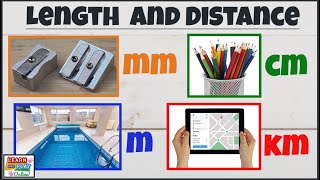
The metric system is the backbone of modern measurement. It is based on powers of ten, making conversions straightforward. The key units for length include:
- Millimetre (mm) – one thousandth of a metre.
- Centimetre (cm) – one hundredth of a metre.
- Metre (m) – the base unit of length.
- Decimetre (dm) – ten centimetres.
- Kilometre (km) – one thousand metres.
When teaching measurement, it is essential to give students hands‑on experience. Centimeter games provide that experience by letting learners physically manipulate objects and record results.
Why Centimeter Games Matter for Early Math Learners
1. Concrete Visualization – Kids can see the difference between 5 cm and 10 cm when measuring a ruler or a piece of string.
2. Active Engagement – Games reduce the “dry” feel of worksheets, encouraging exploration.
3. Skill Reinforcement – Repeated practice with measurement builds confidence and fluency.
4. Cross‑Curricular Links – Measurement ties into science (distances between planets), geography (map scales), and even art (drawing with scale).
Popular Centimeter Games for the Classroom
1. “Measure‑It‑Match” Challenge
Students receive a set of objects (e.g., pencils, erasers, blocks) and a ruler. They must match each object’s length to a target centimetre value displayed on a card. The fastest team wins.
2. “Centimetre Treasure Hunt”
Hidden around the classroom are small treasures marked with centimetre clues (e.g., “Find a spot 12 cm from the door”). Students use a measuring tape to locate each item, learning distance and relative positioning.
3. “Build a Bridge” with Metric Units
Using cardboard, rulers, and glue, students design a bridge that must span a specified distance in centimetres. This activity introduces concepts of scale and structural stability while reinforcing measurement accuracy.
4. “Convert It” Relay
Teams convert a given length from centimetres to millimetres and back to metres, racing to see who completes the conversion chain fastest. This game emphasizes the power‑of‑ten relationships.
Integrating Technology: Video Resources and Interactive Tools
Educational platforms like Matholia provide engaging videos that illustrate units of length. For example, the “Units of Length – Metre” lesson walks students