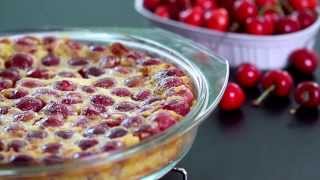
Cerises Douces In English: Meaning, Pronunciation, and Culinary Uses
What Does “Cerises Douces” Mean?
The French phrase cerises douces translates directly to “sweet cherries” in English. The word cerise (pronounced /seʁiz/) simply means “cherry,” while douces (pronounced /dus/) adds the descriptor “sweet.” Together they refer to the softer, less tart varieties of cherries that are prized for fresh eating and for desserts.
How to Say and Pronounce “Cerises Douces”
Learning the correct pronunciation helps you sound confident whether you’re ordering a pastry in a Parisian café or talking about fruit at a cooking class. Here’s a quick guide:
- Cerise: “seh-reez” – the “c” sounds like an “s,” and the final “e” is silent.
- Douces: “doos” – the “ou” forms a long “oo” sound, and the final “e” is silent.
- Combined: “seh-reez doos.”
Practice the phrase slowly, then speed up until it feels natural. Listening to native speakers on language‑learning platforms can reinforce the rhythm.
Sweet Cherries in the Kitchen
Sweet cherries are a versatile ingredient. Their natural sugars make them perfect for both raw consumption and for cooking. Below are the most common culinary applications:
- Fresh Snacks: Wash, pit, and enjoy as a healthy, antioxidant‑rich snack.
- Salads: Add halved cherries to green salads for a burst of color and sweetness.
- Baking: Use them as a filling for tarts, pies, and galettes. The classic French tarte aux cerises douces showcases the fruit’s delicate flavor.
- Sauces: Cook cherries with a splash of wine, a touch of sugar, and a dash of balsamic vinegar for a sauce that pairs beautifully with pork or duck.
- Preserves: Turn them into jam or marmalade for spreading on toast, scones, or croissants.
The Sweet Cherry Tart: A Simple French Classic
A tart is a baked dish consisting of a filling over a pastry base with an open top not covered with pastry. The pastry is usually short‑crust, buttery, and crisp, providing a perfect contrast to the juicy cherry filling. Below is a brief outline of a traditional sweet‑cherry tart:
- Pastry Base: Combine flour, butter, sugar, and a pinch of salt. Chill