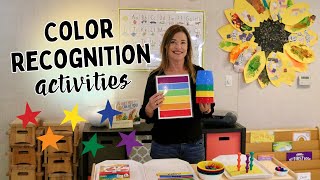
Color Activities For Pre‑K
Color learning is a foundational skill for preschoolers. It sparks curiosity, builds fine‑motor coordination, and lays the groundwork for early literacy. Below you’ll find a range of engaging color activities designed to capture the attention of young learners while supporting their cognitive development.
Why Colors Matter for Pre‑K Learners
For children in the pre‑kindergarten age group, color identification is more than just a fun pastime. It:
- Enhances visual discrimination and memory.
- Introduces basic vocabulary and naming conventions.
- Encourages exploration of the world through sensory play.
- Supports the development of sequencing and categorization skills.
By integrating color activities into daily routines, educators and parents can create a rich learning environment that feels natural and enjoyable.
Here Are Some Easy Color Activities
Below are ten activities that can be used in classroom or at home. Each activity is adaptable to various learning styles and can be incorporated into an ESL curriculum if needed.
1. Color Sorting with Household Items
Gather a bowl of small objects—buttons, beads, or toy cars—and ask children to sort them by color. This hands‑on exercise encourages tactile engagement and reinforces color names.
2. Rainbow Sensory Bin
Fill a shallow container with colored rice or sand. Hide small objects in each color zone and let the children scoop them out. This activity blends sensory play with color recognition.
3. Paint Mixing Demonstration
Show how primary colors combine to make secondary colors. Use watercolors or finger paints. Let children experiment by adding a little of each primary color to see the new hue that forms.
4. Color Hunt Around the Classroom
Give each child a sheet of paper with a list of colors and ask them to find objects that match each shade. This encourages observation and reinforces vocabulary.
5. Story Time with Colored Illustrations
Select a picture book where each page features a dominant color. Pause to discuss the color and any associated words or feelings.
6. “I Spy” with Colors
Play a simple game where you say, “I spy a blue object.” Children respond by finding the item. This game can be adapted to include adjectives or simple sentences for ESL learners.
7. Matching Cards Game
Create cards with color names and matching colored squares. Children match the word to the image. This supports both visual and verbal memory.
8. Music and Color Dance
Play music and assign a color to each