Color By Multiplication: A Fun Way to Teach Multiplication Facts
Multiplication can feel abstract for many third‑ and fourth‑grade learners, but Color By Multiplication turns numbers into a hands‑on, visual puzzle. By pairing each product with a specific color, students solve a math problem and then bring a picture to life. The method blends the proven engagement of color‑by‑number activities with the rigor of multiplication practice, making it ideal for homeschool families, classroom teachers, and after‑school clubs.
How Color By Multiplication Works
Each worksheet contains a grid of shapes or a themed illustration (thanksgiving turkey, winter snowflake, etc.). Every shape is labeled with a multiplication equation, such as 6 × 4 or 9 × 3. A key at the bottom assigns a unique hue to each product. When a student solves the equation, they color the corresponding shape with the correct shade.
- Step 1 – Read the equation on the shape.
- Step 2 – Calculate the product using mental math or a strategy chart.
- Step 3 – Match the product to the color key.
- Step 4 – Apply the color to reveal the hidden picture.
This simple loop reinforces fact fluency while giving immediate visual feedback. The finished image provides a sense of accomplishment, encouraging learners to repeat the activity with new tables.
Benefits for Homeschool Grades 3‑4
Homeschool parents often look for resources that blend curriculum standards with creative play. Color By Multiplication meets both needs:
- Alignment with standards – The activity covers multiplication tables up to 12 × 12, matching Common Core expectations for grades 3‑4.
- Multi‑sensory learning – Students engage visual (color), kinesthetic (coloring), and logical (math) pathways.
- Flexible pacing – Worksheets can be completed in 10‑minute bursts or extended to a full lesson.
- Seasonal relevance – Themes such as Thanksgiving, winter snowflakes, or spring gardens keep the content fresh.
Because the activity is self‑contained, parents can easily integrate it into a daily math block, a weekend project, or a special holiday lesson.
Using Numberblocks and Seasonal Themes
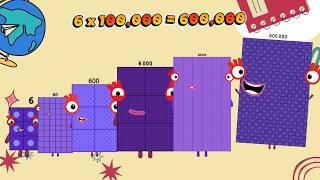
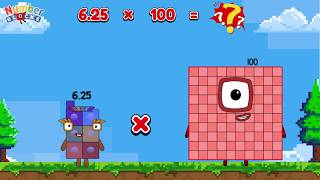
The popular Numberblocks series provides a natural bridge to Color By Multiplication. Each Numberblock character represents a specific number, and many coloring pages incorporate these characters into the design. For example, a “Numberblock 6” scene may feature the equation 6 ×