Curated coverage and comprehensive guides by Fresh Picks.
The Infamous "Hand of God" Goal: Maradona's Controversial Strike in 1986
The 1986 FIFA World Cup quarter-final match between Argentina and England remains etched in football history, largely due to one of the most controversial goals ever scored. Diego Maradona, the Argentine maestro, netted a goal that would forever be known as the "Hand of God," a moment that encapsulated his genius, his audacity, and the fierce rivalry between the two nations. This unforgettable incident unfolded on June 22, 1986, at the Estadio Azteca in Mexico City, a venue that would witness both brilliance and controversy.
The Build-Up to the Infamous Strike
The match itself was already charged with emotion. The Falklands War, which had concluded just four years prior, cast a long shadow over the encounter, adding an extra layer of intensity to the already historic footballing rivalry. Both teams were packed with talent. England had Gary Lineker, who would go on to be the tournament's top scorer, while Argentina boasted the unparalleled skill of Diego Maradona.
The game was locked at 0-0 for much of the first half. The tension was palpable, with neither side able to break the deadlock. Then, in the 51st minute, the game took a dramatic and unforgettable turn.
Maradona's Leap and the "Hand of God"
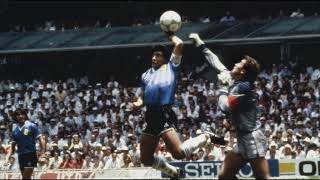
A long ball was played towards the England penalty area. England's goalkeeper, Peter Shilton, a towering figure known for his agility, rushed out to meet the ball. Maradona, significantly shorter than Shilton, also sprinted towards the high ball. In a moment that defied logic and physics, Maradona, while appearing to be attempting a header, subtly used his left hand to punch the ball over Shilton and into the net.
The referee, Ali Bennaceur of Tunisia, inexplicably allowed the goal to stand. The England players immediately surrounded the referee, protesting vehemently. They appealed for a handball, but their pleas fell on deaf ears. Maradona, with a triumphant smirk, celebrated what he would later famously describe as being scored "a little with the head of Maradona and a little with the hand of God."
The Reaction and Lingering Controversy
The "Hand of God" goal ignited a firestorm of debate that continues to this day. While some saw it as a blatant act of cheating, others viewed it as a cunning piece of opportunism, a testament to Maradona's willingness to bend the rules to his advantage. The legendary live commentary by Victor Hugo Morales captured the elation of the Argentine fans and the disbelief of the English. His passionate cries of "¡Gooool! ¡Gooool! ¡Gooool! ¡Vino para decirles que de qué planeta llegó!" ("Goal! Goal! Goal! He came to tell them what planet he's from!") became as iconic as the goal itself.
Hear Lineker's take on the events, and you'll often find a blend of frustration and grudging admiration for Maradona's audacity. The football that was used in that match, like any other, bore witness to this pivotal moment.
The Aftermath and Maradona's Second Goal
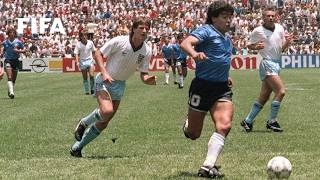
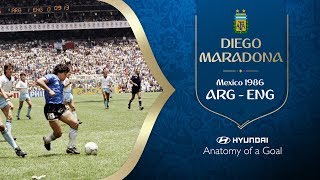
The controversy surrounding the "Hand of God" goal overshadowed the rest of the match for many. However, just four minutes later, Maradona produced a moment of pure, unadulterated genius that arguably erased any doubt about his superiority. He embarked on a mesmerizing solo run from his own half, weaving past five England players before calmly slotting the ball past Shilton. This goal, often referred to as the "Goal of the Century," showcased Maradona's incredible dribbling ability, balance, and vision. It was a goal of breathtaking skill that silenced any remaining critics of his performance, even as the debate over the first goal raged on.
A Moment of Footballing Folklore
The 1986 quarter-final remains a defining moment in World Cup history. The "Hand of God" goal, despite its controversial nature, is an inseparable part of Diego Maradona's legacy. It highlights the complex nature of football, where moments of brilliance can be intertwined with controversy and human error. While England fans may forever lament the injustice, the "Hand of God" goal serves as a stark reminder of the passion, the
Related Coverage
Maradona 'Hand of God' Goal 1986 World Cup
Unforgettable England Moments - 5 of 10.
Maradona - Hand of God - 4K Enhanced with AI - Goal 1986 World Cup
Diego Maradona's goal
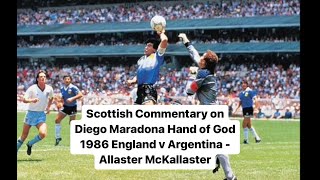
Scottish Commentary on Diego Maradona Hand of God 1986 England v Argentina - Allaster McKallaster
Diego Maradona
Diego Maradona discusses 'Hand of God' World Cup goal - BBC
Hear the events of the famous allowed
Gary Lineker's view on Maradona's 'Hand of God' World Cup goal - BBC
Hear Lineker's take on the
Diego Maradona - the "Hand of God" goal
From the
Maradona's Famous 8 Minutes | Argentina 2-1 England | 1986 FIFA World Cup
Raw footage from some of the most famous moments in World Cup history as
Diego Maradona Goal of the Century | Argentina v England | 1986 FIFA World Cup
The
Maradona Goal of the Century - Víctor Hugo Morales commentary - Argentina-England 2-1 1986
The legendary live commentary by Victor Hugo Morales of the
📕DIEGO MARADONA A-Z📘 (Goals Hand of God Goal of the Century Highlights 1986 Mexico)
Playlist: A-Z of Footballers! https://www.youtube.com/playlist?list=PLFVCbA-bmHb_OceEO2I8V_aFelvaT14_z Download OSM ...
🇦🇷 Diego Maradona’s Top 5 Goals | FIFA World Cup
Responsible for the individual masterpiece that FIFA.com users crowned the FIFA World Cup
✊🏽THE HAND OF GOD!✊🏽 (Argentina vs England World Cup 1986 Maradona Handball + Goal of the Century)