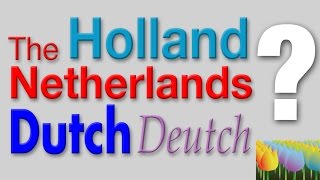
Difference Between Holland And Netherlands: A Clear Overview
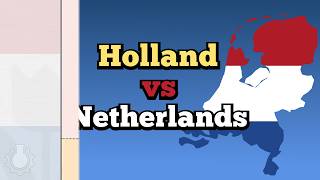
If you’ve ever wondered why the terms “Holland” and “Netherlands” are often used interchangeably, you’re not alone. The mix‑up has caused head‑scratching for ages, especially among travelers and geography enthusiasts. In this article we’ll explain the factual distinction, trace the historical roots, and show you when each name is appropriate.
What Is the Netherlands?
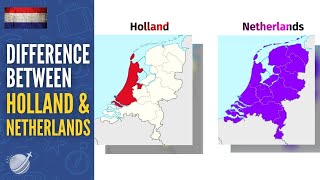
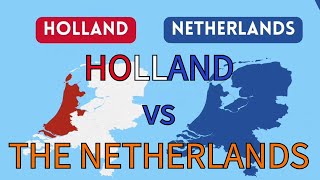
The Netherlands is a sovereign country located in Western Europe, bordered by the North Sea, Belgium, and Germany. It consists of twelve provinces, each with its own capital and local government. The nation’s official language is Dutch, and its capital city is Amsterdam, while The Hague serves as the seat of government.
Key facts about the Netherlands:
- Area: approximately 41,500 square kilometers.
- Population: over 17 million people.
- Member of the European Union, NATO, and the United Nations.
What Is Holland?
“Holland” refers specifically to two provinces in the western part of the Netherlands: North Holland (Noord‑Holland) and South Holland (Zuid‑Holland). These provinces contain major cities such as Amsterdam, Rotterdam, and The Hague.
Historically, Holland was a powerful maritime province during the 17th‑century “Golden Age.” Its economic dominance led foreign traders and diplomats to use “Holland” as a shorthand for the entire country, a habit that persists in many languages.
Why the Confusion Exists
Several factors contribute to the interchangeable use of the two names:
- Historical prominence: Holland’s wealth and naval strength made it the most recognizable part of the nation.
- Tourism marketing: International travel agencies often promote “Holland” because it sounds simpler and is widely recognized.
- Language habits: In English and many other languages, “Holland” has been used for centuries as a synonym for the Netherlands.
While the usage is common, it is technically inaccurate when referring to the whole country.
When to Use Each Term
For accurate communication, follow these guidelines:
- Use “Netherlands” when discussing national matters such as government policy, international relations, or the country’s overall geography.
- Use “Holland” only when you specifically mean the provinces of North Holland and South Holland, or when referencing cultural icons located there (e.g., the ports of Rotterdam or the museums of Amsterdam).
Example: “The Netherlands signed a new climate agreement” vs. “Holland’s tulip fields attract millions of