Understanding the Difference Between the Republic of Congo and the DRC
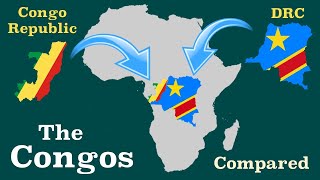
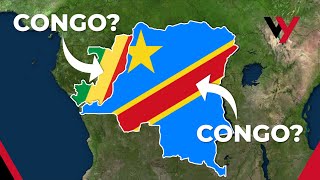
The names “Congo” and “DRC” often cause confusion for travelers, students, and business professionals alike. While both countries share a border and a similar‑sounding name, they are distinct nations with separate histories, governments, economies, and cultural identities. This article breaks down the key differences between the Republic of Congo (often called Congo‑Brazzaville) and the Democratic Republic of the Congo (DRC, also known as Congo‑Kinshasa) to help you navigate the nuances of Central Africa.
Geography and Size
Location on the Map
Both countries sit on the western side of the Congo River, but they occupy opposite banks. The Republic of Congo lies to the west of the river, while the DRC stretches across the river’s eastern side and extends far into central Africa.
Land Area
- Republic of Congo: Approximately 342,000 square kilometers (132,000 square miles).
- Democratic Republic of the Congo: About 2.34 million square kilometers (905,000 square miles), making it the second‑largest country in Africa.
Major Cities
The capital of the Republic of Congo is Brazzaville, located directly across the river from Kinshasa, the bustling capital of the DRC. This unique proximity creates a “twin‑city” dynamic, yet the two capitals operate under very different national systems.
Political History and Governance
Founding and Independence
The Republic of Congo gained independence from France in 1960 and has since experienced a series of coups and a brief Marxist period before stabilizing under a multi‑party system. The DRC, formerly the Belgian Congo, also achieved independence in 1960 but endured a far more turbulent post‑colonial era, including the dictatorship of Mobutu Sese Seko, two devastating wars, and ongoing conflict in the eastern provinces.
Current Government Structure
- Republic of Congo: A presidential republic with a single‑chamber legislature. The president holds significant executive power, but recent reforms have aimed at strengthening parliamentary oversight.
- DRC: A semi‑presidential republic where both a president and a prime minister share executive responsibilities. The DRC’s political landscape is marked by coalition governments and frequent elections.
Economy and Natural Resources
Key Industries
Both nations sit on the mineral‑rich Congo Basin, yet their economies differ in scale and diversification.
- Republic of Congo: Rel