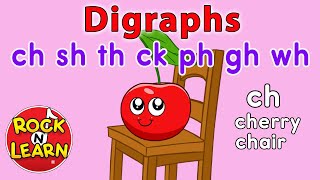
Digraphs Chart: A Practical Tool for Phonics Teaching and Learning
When children begin to decode English words, the most common obstacle is not the alphabet itself but the way letters combine to represent single sounds. Digraphs—pairs of letters such as sh, ch, th, ai, oa—are essential building blocks in early reading. A well‑designed Digraphs Chart gives teachers, parents, and learners a visual reference that speeds up pronunciation practice and reinforces spelling patterns.
What Is a Digraph?
A digraph is a pair of letters that together produce one phoneme (sound). Unlike blends, where each letter keeps its own sound (e.g., bl in black), a digraph creates a new, distinct sound. Common English digraphs include:
- sh – as in ship
- ch – as in chair
- th – voiced (this) and voiceless (thin)
- ai – as in rain
- oa – as in boat
Understanding these patterns helps learners read words with beginning and ending consonants more fluently and reduces confusion caused by irregular spelling.
Why Use a Digraphs Chart?
Research in phonics instruction shows that visual aids improve retention of spelling rules. A Digraphs Chart offers several benefits:
- Quick Reference: Students can glance at the chart while reading to confirm the sound of a tricky letter pair.
- Consistent Practice: Teachers can incorporate the chart into daily warm‑ups, making pronunciation practice routine.
- Portable Learning: A printed or laminated chart can travel from the classroom to the home, supporting the DIY approach of resources like a Phonics Digraphs Words Booklet DIY.
- Confidence Building: When learners see the same pattern applied across many words, they gain confidence in decoding unfamiliar terms.
Creating Your Own Digraphs Chart
If you prefer a hands‑on approach, building a custom chart is simple and effective. Follow these steps to craft a chart that matches your teaching style:
- Gather Materials: Use cardstock, markers, and a ruler. For durability, laminate the final product.
- Select Digraphs: Choose the most common digraphs for your learners’ level. A starter set includes sh, ch, th, wh, ai, ea, oa, oo, ue, ie.
- Design Layout: Place each digraph in a separate cell. Include a