Why Displaying Student Work Matters
Displaying student work transforms a classroom from a passive space into a vibrant learning community. When children see their photographs, drawings, and project samples on walls or bulletin boards, they recognize that their efforts are valued. This visibility boosts confidence, encourages peer learning, and reinforces instructional goals.
Getting Started with Bulletin Boards
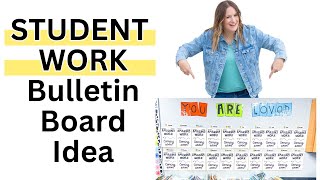
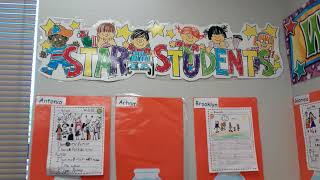
Bulletin boards are a versatile tool for showcasing student achievements. Start by selecting a board that is at eye level for the age group you teach. Use a simple background—neutral fabric or paper—to let the work stand out. Attach items with clips, push pins, or Velcro strips so you can change the display frequently.
Choosing a Theme
A clear theme helps viewers understand the purpose of the display. Examples include:
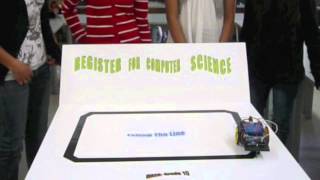
- “Our Robot Project” – highlighting design sketches, building phases, and final prototypes.
- “Reading Adventures” – featuring book covers, student reviews, and favorite quotes.
- “Math in Action” – showing problem‑solving steps, manipulatives, and real‑world applications.
Incorporating Photographs and Objectives
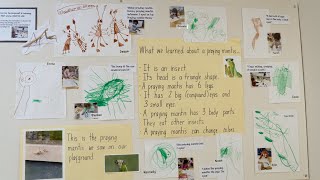
As noted in the video demonstration, sharing photographs alongside learning objectives clarifies the connection between activity and outcome. Print a small photo of students engaged in the task, place it next to the stated objective, and add a brief caption that explains what was learned.
Creative Ways to Showcase Student Work
Beyond traditional bulletin boards, consider these approaches to keep displays fresh and engaging.
Hallway Galleries
Transform hallway walls into rotating galleries. Use lightweight frames or clipboards that allow quick swaps. Label each piece with the student’s name, grade, and a one‑sentence description. This method works well for larger projects such as murals or collaborative science models.
Digital Displays
If technology is available, set up a tablet or small monitor that cycles through a slideshow of student work. Include audio recordings where students explain their process. Digital displays can reach parents who visit the school after hours and can be updated without physical materials.
Interactive Boards
Add QR codes that link to videos of students presenting their work or to online portfolios. When scanned, the code provides deeper insight into the learning journey, turning a static display into an interactive experience.
Best Practices for Effective Displays
To maximize the impact of showcasing student work, follow these evidence‑based tips.
Keep It Current
Rotate displays every two to four weeks. Fresh content maintains student interest and reflects ongoing learning rather than a static archive.
Involve Students in the Process
Let learners