What Is an Elements of Poetry Anchor Chart?
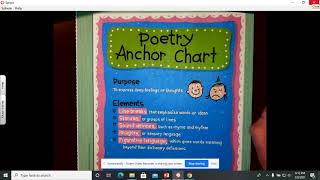
An anchor chart is a visual reference that teachers display in the classroom to help students remember key concepts. When it comes to poetry, an Elements of Poetry Anchor Chart highlights the building blocks of a poem—such as rhyme, rhythm, imagery, and figurative language—so that young learners can see, name, and apply them in their own writing.
Why Use an Anchor Chart for Poetry?
Second‑grade students are just beginning to explore the sound and sense of poems. A well‑designed anchor chart provides a clear, colorful guide that:
- Reinforces vocabulary introduced during read‑alouds.
- Offers a quick reference during writing workshops.
- Supports visual learners who benefit from pictures and symbols.
- Encourages independent practice by giving students a “cheat sheet” they can consult.
Core Elements to Include
Below are the most essential poetry elements for an elementary‑grade anchor chart. Each item can be paired with an icon, a short definition, and a simple example.
1. Line
A line is a single row of words in a poem. It may end with a pause (a line break) or continue the thought.
Example: “The sun rose bright,
painting gold on the sky.”
2. Stanza
A stanza groups several lines together, similar to a paragraph in prose.
Example: A four‑line stanza is called a quatrain.
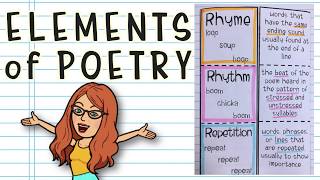
3. Rhyme
Rhyme occurs when the ending sounds of two or more words match.
Example: cat / hat, sky / high.
4. Rhythm
Rhythm is the beat or pattern of stressed and unstressed syllables.
Example: The classic “da‑da‑DUM” pattern in many nursery rhymes.
5. Imagery
Imagery uses descriptive language that appeals to the five senses.
Example: “The crisp, cold air smelled like pine needles.”
6. Simile
A simile compares two things using the words like or as.
Example: “She sings like a nightingale.”
7. Metaphor
A metaphor states that one thing is another, creating a direct comparison.
Example: “The classroom was a buzzing beehive.”
8. Personification
Personification gives human qualities to non‑human objects.
Example: “The wind whispered through the trees.”