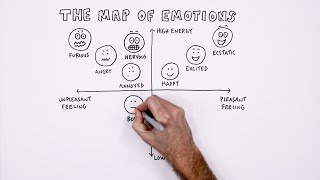
Understanding Emotions Through the Face Chart
When we think about emotions, we often focus on how we feel inside. But our faces have a remarkable way of revealing what's happening beneath the surface. The emotions face chart is a powerful educational tool that helps both children and adults recognize, understand, and articulate their feelings through facial expressions.
What Is an Emotions Face Chart?
An emotions face chart is a visual representation that displays different facial expressions associated with various emotions. Typically featuring seven universal human emotions—surprise, happiness, anger, disgust, contempt, sadness, and fear—the chart provides a clear reference for identifying how feelings manifest physically.
These charts are particularly valuable in educational settings, helping young learners develop emotional literacy skills essential for social development and communication.
The Seven Universal Human Emotions
Research in psychology has identified seven basic human emotions that transcend cultural boundaries. Each emotion has distinct facial characteristics:
- Surprise - Characterized by raised eyebrows, widened eyes, and dropped jaw
- Happiness - Features raised cheeks, curved mouth upward, and crinkled eye corners
- Anger - Shows furrowed brows, narrowed eyes, and pressed lips
- Disgust - Displays wrinkled nose, raised upper lip, and tightened mouth
- Contempt - Marked by one corner of the mouth raised
- Sadness - Features drooping eyebrows, downcast eyes, and downturned mouth
- Fear - Shows wide eyes, raised eyebrows, and open mouth
Why Face Charts Matter for Learning
Understanding facial expressions isn't just academic—it's fundamental to human interaction. When children can recognize emotions in others, they develop better empathy, improve communication skills, and learn to navigate social situations more effectively.
Former FBI agent and body language expert Joe Navarro emphasizes that non-verbal communication comprises a significant portion of human interaction. His work demonstrates how facial expressions serve as windows into our emotional states, providing crucial information that words alone cannot convey.
Using Face Charts in Preschool Education
Preschool environments benefit tremendously from emotions face charts. Young children naturally observe and mimic facial expressions, making these visual tools perfect for early emotional education. Teachers can integrate face charts into daily activities through:
- Feeling check-ins - Starting the day by asking "How do you feel?" and matching responses to chart expressions
- Story time connections - Identifying character emotions as they're described in books or videos
- Role-playing exercises - Practicing different expressions to understand their associated feelings
- Counting and labeling - Combining emotions with basic math skills like counting to 15
Activities That Bring Emotions to Life
Amazing activities for preschoolers make learning about emotions engaging and memorable. Consider these approaches:
Interactive videos help children see real-time demonstrations of facial expressions. When checking out feelings-focused content, students can pause, mirror, and discuss what they observe.
Hands-on art projects allow children to create their own emotion faces using paper, markers, and other craft materials. This tactile approach reinforces visual recognition through creation.
Movement and gesture games get children physically expressing different emotions. They might practice surprise by jumping, or show sadness by sitting still and lowering their heads.
Developing Emotional Vocabulary
Kids will learn about different kinds of feelings and build their emotional vocabulary through consistent exposure to face charts.