What Is an “Emotions Picture” and Why It Matters
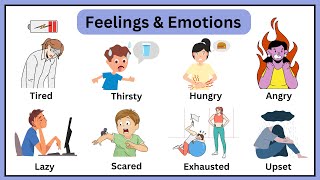
An emotions picture is a visual tool that shows a facial expression, body language, or scene that represents a specific feeling. Teachers, parents, and therapists use these pictures to help children name, understand, and talk about their inner states. When a child can point to a picture and say, “I feel sad,” the abstract idea of sadness becomes concrete, making self‑regulation easier.
How Pictures Turn Feelings Into Words
Kids often know what they feel before they have the vocabulary to describe it. A simple picture bridge can close that gap:
- Happy: A smiling sun or a child jumping with arms wide open.
- Sad: A drooping cloud or a child with a teardrop.
- Hungry: An empty plate or a cartoon stomach growling.
- Hot: A sweating face or a sun with heat waves.
By pointing to the image, a child can answer the question “How do you feel?” with a word instead of a vague gesture. Repeating this practice builds a language of emotion that lasts into adulthood.
Teaching Basic Needs First
Before tackling complex emotions like jealousy or embarrassment, start with basic physiological states. The following steps work well in preschool or early elementary settings:
- Show a picture of a child with a rumbling stomach. Ask, “What does this picture tell you?” The answer is usually “hungry.”
- Follow with a picture of a thirsty child holding a water bottle. The child learns to label “thirsty.”
- Move to temperature cues—hot and cold pictures—so the child can differentiate physical sensations from emotional ones.
These foundational images create a safety net. When a child can say “I am thirsty,” they are more likely to say “I feel nervous” later.
Introducing Complex Emotions Through Stories and Songs
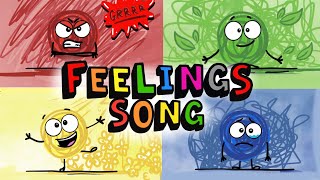
Complex feelings often need context. Picture books, songs, and short videos give that context. For example, the song linked to the book A Little Scribble SPOT uses a catchy melody to teach children how to identify feelings such as “frustrated” or “excited.” The accompanying picture cards show a child trying to tie shoes (frustrated) and then succeeding (proud). When children hear the line, “Go ahead, listen to that sad song again,” they connect the lyric to the picture of a child with a downturned face, reinforcing the word “sad.”
Digital Resources That Bring Emotions Pictures to Life
Many families turn to streaming platforms and educational websites for visual emotion tools. Below are three reliable options:
- Disney+: The streaming service offers short clips that focus on characters expressing a range of feelings. Parents can pause the screen, capture a screenshot, and use it as an emotions picture during a conversation.
- Kids‑Pages.com: This site provides printable emotion cards, interactive games, and printable worksheets