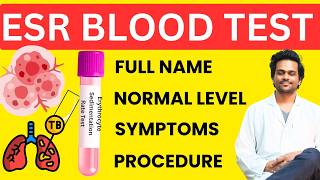
Understanding ESR 55 mm/hr: What It Means for Your Health
Is your recent blood test showing an ESR of 55 mm/hr? In this article we explore why that number matters and how to interpret it in the context of your overall health. We’ll walk through the basics of the erythrocyte sedimentation rate (ESR), normal ranges, and what a high value can indicate.
About This Video – What is ESR?
ESR is a simple, non‑specific test that measures how quickly red blood cells settle in a tube of anticoagulated blood over one hour. A higher rate suggests increased inflammation or other conditions that alter the blood’s protein composition.
In this video, Dr O'Donovan covers key things you need to know about ESR, and we’ll bring those insights into a concise written format.
Normal ESR Ranges
Normal values differ by age, sex, and laboratory method, but typical ranges are:
- Men: 0–15 mm/hr
- Women: 0–20 mm/hr
- Children: 0–10 mm/hr
An ESR of 55 mm/hr is markedly above the upper limit for most adults, indicating a significant underlying factor that merits further evaluation.
What Does an ESR of 55 mm/hr Mean?
When your ESR is 55 mm/hr, it signals that something in your body is provoking an inflammatory response. However, ESR is a non‑specific marker; it does not pinpoint the exact cause. Common conditions associated with elevated ESR include:
- Infections (bacterial, viral, fungal)
- Autoimmune diseases (e.g., rheumatoid arthritis, lupus)
- Chronic inflammatory disorders (e.g., inflammatory bowel disease)
- Certain cancers (e.g., multiple myeloma, lymphoma)
- Kidney disease, anemia, or thyroid disorders
- Pregnancy and menopause can also raise ESR
Because ESR is influenced by many factors, it is often used in combination with other tests—such as C‑reactive protein (CRP), complete blood