Fast Fashion Human Rights: The Hidden Cost Behind Trendy Clothing
When you slip on your favorite pair of jeans—especially the ones you refuse to throw out—you may think of comfort and style. Yet that same garment is part of a global system that raises serious human rights concerns. From the factories in Bangladesh to the “Shein village” in Guangzhou, China, fast fashion’s rapid turnover fuels a cycle of exploitation, waste, and environmental damage.
Why Fast Fashion Matters for Human Rights
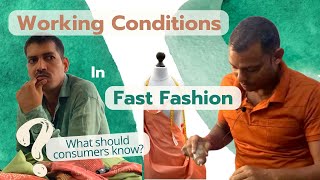
Fast fashion thrives on producing massive volumes of clothing at the lowest possible cost. The industry now generates millions of tonnes of textile waste each year, but the human toll is less visible. Workers often face:
- Below‑minimum wages that do not cover basic living expenses.
- Unsafe working conditions, including inadequate fire safety and exposure to hazardous chemicals.
- Excessive overtime without proper compensation.
- Limited freedom of association, making it difficult to organize for better rights.
These issues intersect with broader human rights principles, such as the right to a safe workplace, fair remuneration, and freedom from forced labor.
Bangladesh: A Case Study in Scale and Vulnerability
Bangladesh is the second‑largest garment producer in the world, supplying retailers from Europe to North America. The country’s rapid growth has created jobs for millions, yet the sector remains plagued by:
- Inadequate building standards, highlighted by the 2013 Rana Plaza collapse that killed 1,134 workers.
- Low wages that often fall below the living wage threshold for a family of four.
- Limited enforcement of occupational safety regulations.
International brands have launched improvement programs, but progress is uneven. Consumers can support positive change by choosing certified brands and by advocating for stronger supply‑chain transparency.
The Shein Phenomenon and Its Human Rights Implications
The BBC’s investigation of the so‑called “Shein village” in Guangzhou revealed a sprawling network of factories that churn out disposable clothing at breakneck speed. Key findings include:
- Workers often receive wages that are a fraction of the local minimum wage.
- Shift schedules can exceed legal limits, with little rest between long hours.
- Limited access to health care and protective equipment, especially for those handling synthetic fibers.
Shein’s meteoric rise is built on “dark patterns” that manipulate consumer behavior—constant flash sales, limited‑time offers, and algorithm‑driven recommendations that encourage over‑consumption. This model drives the demand for cheap, disposable garments, reinforcing the cycle of labor exploitation.