Generic Vs Brand Name Drugs: Understanding the Key Differences
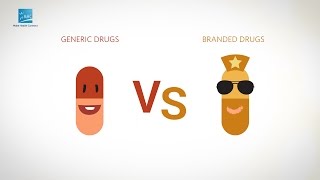
When you pick up a prescription, you may notice that the same medication can appear under two different labels: a brand name and a generic name. This generic vs brand name drugs comparison is more than a marketing debate; it affects safety, efficacy, and cost. By exploring how drug names are created, what distinguishes a generic product, and when a brand name might be justified, patients can make informed choices that suit their health and budget.
How Drug Names Are Chosen
Every medication receives a scientific name, a brand name, and often a shorthand. The scientific (or generic) name follows international naming conventions that describe the drug’s chemical structure or therapeutic class. Brand names are created by manufacturers for marketing purposes and must be approved by regulatory agencies to avoid confusion with existing products. For a deeper look at naming rules, visit https://cle.clinic/3Q1naZx.
What Is the Difference Between Generic and Brand Name Drugs?
Active Ingredient
Both generic and brand name versions contain the same active ingredient in the same dosage form. This means they should provide the same therapeutic effect when taken as directed.
Inactive Components
Manufacturers may use different fillers, binders, or dyes in generic formulations. While these excipients do not alter the drug’s core efficacy, they can affect factors such as taste, shelf life, or allergic reactions in sensitive individuals.
Regulatory Requirements
- Generic drugs must demonstrate bioequivalence to the brand name product, meaning they deliver the same amount of active ingredient into the bloodstream within an acceptable range.
- Brand name drugs undergo extensive clinical trials before approval, and their patents protect them from generic competition for a set period.
Benefits of Choosing Generic Drugs
Choosing a generic version can provide several advantages:
- Cost Savings: Generics are typically 30‑80% cheaper than brand name counterparts, reducing out‑of‑pocket expenses.
- Insurance Coverage: Many health plans favor generics, leading to lower copays and broader formulary access.
- Availability: Because multiple manufacturers can produce generics, supply interruptions are less common





![Brand vs Generic [Is there a difference?]](https://i.ytimg.com/vi/1-gks9pLDCQ/mqdefault.jpg)
