Golden Rules Of Classroom: A Guide for Teachers, Parents, and Students
Every successful learning environment rests on a set of clear, consistent expectations. When students understand the classroom rules and the reasons behind them, they feel safe, respected, and ready to explore new ideas. Below is a practical summary of the golden rules that educators can adopt to foster engagement, responsibility, and respect.
1. Establish a Positive Tone from Day One
Setting the right atmosphere begins with a clear introduction to the classroom culture. A short social story about the importance of kindness and cooperation helps younger learners internalize expectations. For example, “Eva feels that when we listen to each other, learning becomes more fun for everyone.” Such narratives make abstract concepts concrete and relatable.
2. Communicate Rules Clearly and Concisely
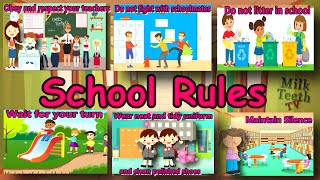
Students absorb information best when it is presented in simple language. Use visual aids, posters, and short verbal reminders. A typical list might include:
- Raise your hand before speaking.
- Keep hands, feet, and objects to yourself.
- Follow directions the first time they are given.
- Respect others’ ideas and personal space.
- Stay on task and complete assignments on time.
Posting these rules at eye level ensures that they remain visible throughout the day.
3. Teach the “Why” Behind Each Rule
When students learn about the purpose of a rule, compliance becomes a choice rather than a command. Explain that raising a hand prevents interruptions, which helps the whole class learn more efficiently. Knowing the rationale also encourages students to apply the rule in other settings, such as at home or during extracurricular activities.
4. Model the Expected Behavior
Teachers are the most influential role models in the classroom. Demonstrate active listening, polite language, and consistent follow‑through on promises. When a teacher says, “Please wait your turn,” and then waits, students see a real‑time example of following directions. This modeling reinforces the rule without the need for repeated verbal reminders.
5. Use Positive Reinforcement
Recognition of good behavior fuels a cycle of improvement. Simple praise, stickers, or a class points system can motivate students to adhere to the rules. For instance, “Eva feels proud when she earns a star for staying on task,” highlights how acknowledgment builds confidence and encourages others to follow suit.
6. Provide Structured Opportunities for Practice
Practice makes perfect. Incorporate short, focused activities where students can apply specific rules:
- Listening Drill: Play a short audio clip and ask students to raise their hands before responding.
- Respectful Debate: Pair students and give them a topic; each must listen without interrupting.
- Follow‑Through Challenge: Assign a mini‑project and track completion dates together.