Growing Zucchini From Seeds: A Step‑by‑Step Guide
Zucchini is one of the easiest vegetables for beginners, yet it rewards careful attention with abundant, tender fruits. Starting from seed gives you the most control over variety selection, planting time, and garden layout. Below is a practical, SEO‑friendly roadmap for growing zucchini from seeds, from soil preparation to the first harvest.
1. Selecting the Right Seeds
Choose certified, disease‑free seeds from a reputable supplier. Heirloom varieties such as ‘Black Beauty’ or hybrid types like ‘Costata Romanesco’ are popular for their vigor and flavor. Write the sowing date on the seed packet; zucchini thrives when planted after the last frost, typically when soil temperatures reach 15‑18 °C (60‑65 °F).
2. Preparing the Soil
Zucchini needs a deep, well‑draining medium rich in organic matter. Follow these steps:
- Loosen the soil to a depth of 30 cm (12 in).
- Incorporate 2‑3 cm (1 in) of compost or well‑rotted manure.
- Test the pH; aim for a range of 6.0‑6.8. Adjust with lime (to raise) or sulfur (to lower) as needed.
- Lay a thin layer of mulch to retain moisture and suppress weeds.
3. Direct Sowing vs. Transplanting
Both methods work, but direct sowing reduces transplant shock. If you start seeds indoors, sow them 4‑5 weeks before the last frost in biodegradable pots. Transplant seedlings when they have two true leaves and the outdoor soil is warm.
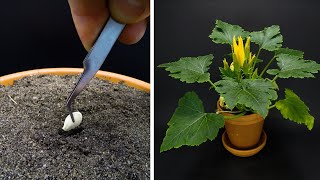
4. Sowing Seeds
Plant seeds 2‑3 cm (¾‑1 in) deep, spacing each seed 45‑60 cm (18‑24 in) apart. For rows, keep the rows 90‑120 cm (3‑4 ft) apart. Proper spacing is essential to prevent powdery mildew by allowing good air circulation.
5. Watering and Feeding
Keep the soil consistently moist but not waterlogged. Water at the base of the plant to keep foliage dry, which also helps prevent fungal diseases. Apply a balanced fertilizer (10‑10‑10) once the plants begin to vine, then switch to a phosphorus‑rich feed (e.g., 5‑10‑10) when fruits start to develop.
6. Identifying Male and Female Flowers
Zucchini plants produce both male and female flowers. Male flowers appear first, are on long stems, and lack a swollen ovary. Female flowers have a tiny fruit at the base, resembling a miniature zucchini. Both are edible, but only the female flowers develop into fruit