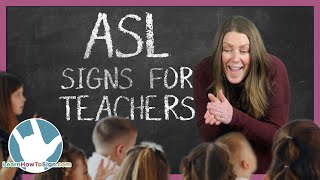
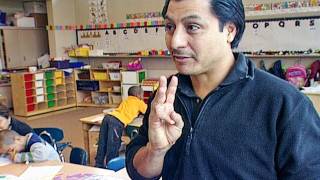
Hand Signal Classroom: Enhancing Communication and Engagement
In today’s diverse learning environments, teachers constantly seek strategies that improve classroom communication, reduce noise, and support students with different learning needs. One powerful yet often overlooked tool is the use of hand signals. By integrating simple gestures into daily instruction, educators can create a more inclusive, organized, and dynamic classroom experience.
Why Hand Signals Matter
Hand signals provide a non‑verbal language that can:
- Quickly capture students’ attention without interrupting the flow of a lesson.
- Facilitate communication for students with hearing impairments or language barriers.
- Encourage active participation and self‑regulation.
- Reduce classroom noise and improve behavior management.
When used consistently, these gestures become a shared vocabulary that students can rely on, fostering a sense of community and shared responsibility.
Getting Started: A Step‑by‑Step Guide
- Identify Your Goals
Decide what you want to achieve—whether it’s gaining attention, signaling a transition, or prompting a specific response. Clear objectives help you choose the most effective gestures.
- Choose Simple, Memorable Gestures
Examples include a raised hand to indicate a question, a thumbs‑up for “good job,” or a closed fist to signal “quiet.” Keep them distinct from everyday movements.
- Introduce Signals Gradually
Start with one or two gestures and model them during instruction. Use visual aids such as a poster or a short video to reinforce meaning.
- Practice with Students
Incorporate signals into warm‑ups or review activities. Provide positive feedback when students use them correctly.
- Review and Adjust
Solicit student feedback and observe how signals are used in real time. Refine or replace gestures that are unclear or ineffective.
Examples of Effective Hand Signals
- Attention Signal – A quick flick of the hand to the side, followed by a pause. Used before starting a new activity or to regain focus.
- Question Signal – A raised hand with a gentle tap on the shoulder. Signals that a student has a question without disrupting the teacher.
- Answer Signal – A small wave of the hand, indicating that a student’s response is ready to be shared.
- Help Signal – A hand extended with fingers spread, signaling that a student needs assistance.
- Transition Signal – A sweeping motion across the class, indicating it’s time to move to the next activity or group work.
Integrating Hand Signals with Other Resources
For educators seeking deeper guidance, Little Learners Education offers a library of videos, downloadable resources, and consultation services that showcase how hand signals can be blended with other instructional strategies. Short instructional clips demonstrate how to embed gestures into everyday lessons, while downloadable guides provide step‑by‑step frameworks for implementation.
Teachers can also explore the Teacher Toolkit