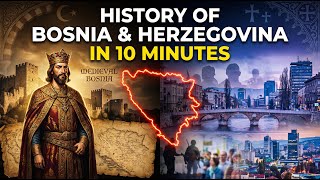
How Is Bosnia and Herzegovina Today?
Located in the heart of the Balkans, Bosnia and Herzegovina (BiH) is a country of striking contrasts. From its Ottoman‑influenced architecture to its Alpine‑like mountains, the nation offers a blend of cultures, languages, and histories that continues to shape its social and political landscape. Understanding how BiH is doing today requires a look at its geography, demographics, economy, politics, and tourism.
Geography and Demographics
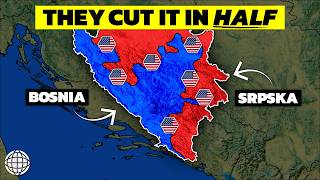
BiH covers roughly 51,200 square kilometres and is bordered by Croatia, Serbia and Montenegro. The country is divided into two main entities— the Federation of Bosnia and Herzegovina and Republika Srpska—plus the Brčko District, a self‑governing administrative unit. This structure reflects the ethnic composition established after the 1995 Dayton Agreement.
- Population: About 3.3 million people.
- Ethnic groups: Bosniaks (≈50 %), Serbs (≈30 %), and Croats (≈15 %).
- Languages: Bosnian, Serbian and Croatian are all official.
- Capital: Sarajevo, a city renowned for its multicultural heritage and the 1984 Winter Olympics.
Political Climate
The political environment in BiH remains complex. The country’s constitution, crafted under the Dayton peace accords, grants extensive autonomy to the two entities. This decentralisation has helped maintain peace but also creates frequent stalemates in the central government.
Current Tensions
In recent years, Bosnian Serb leader Milorad Dodik has intensified calls for greater autonomy, and at times has hinted at a possible split of the country. European leaders have warned that such rhetoric could trigger a “bad breakup,” echoing concerns from the 1990s conflicts. While no formal secessionist steps have been taken, Dodik’s statements keep the political discourse volatile and influence BiH’s EU accession prospects.
European Integration
BiH officially applied for European Union membership in 2016 and was granted candidate status in 2022. The EU’s assessment highlights progress in rule of law and reforms, yet stresses the need for a functional central government, anti‑corruption measures, and a clear resolution of entity disputes.
Economic Overview
BiH’s economy is transitioning from post‑war reconstruction to a service‑oriented model. The gross domestic product (GDP) per capita remains below the EU average, but growth rates have been positive in recent years.
- Key sectors:





![30 years after the war. Bosnia and Herzegovina today [DOCUMENTARY]](https://i.ytimg.com/vi/JvAuSrO8Yvs/mqdefault.jpg)