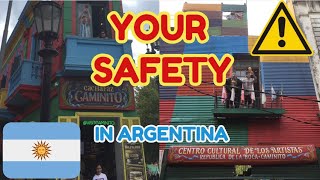
How Safe Is Argentina for Travelers and Digital Nomads?
Argentina attracts millions of visitors each year with its vibrant culture, stunning landscapes, and welcoming people. Being a foreigner in Latin America can be exciting, but it also raises practical questions: Is it safe? How do you get around? What should you watch out for? This article breaks down the most recent data and on‑the‑ground experiences to help you decide if Argentina fits your travel or relocation plans.
Crime Levels: What the Numbers Say
Argentina’s overall homicide rate is below the global average, and most violent crimes are concentrated in specific neighborhoods of large cities. According to the United Nations Office on Drugs and Crime (UNODC), the country recorded roughly 5.5 homicides per 100,000 inhabitants in 2022. Petty theft, pickpocketing, and bag snatching are more common, especially in tourist hotspots such as Buenos Pais’ Microcentro, Córdoba’s historic center, and the Patagonian town of Bariloche.
- Buenos Aires: The safest districts for visitors are Palermo, Recoleta, and Puerto Madero. Areas like La Boca and San Telmo see higher rates of street theft.
- Córdoba: The university zone is lively but attracts pickpockets; stay alert after dark.
- Patagonia: Rural towns have low crime, yet isolated road stretches can be vulnerable to vehicle break‑ins.
Police presence is visible in major cities, and many establishments employ private security. While the risk of violent crime is low for tourists who take basic precautions, it is wise to avoid poorly lit streets after midnight and keep valuables out of sight.
Transportation Safety
Public transport in Argentina is generally reliable and affordable. Buses (colectivos) in Buenos Aires operate on a card system and are considered safe during daylight hours. Long‑distance night buses are a popular way to travel between cities; reputable companies such as Flecha Bus and Andesmar provide padded seats, security staff, and real‑time tracking.
- Book tickets through official websites or verified travel agencies.
- Store your passport and money in a money belt or hidden pouch.
- Avoid displaying expensive electronics while waiting at stations.
Driving in Argentina requires an International Driving Permit (IDP) plus your home‑country license. Road conditions vary: highways between major cities are well‑maintained, while rural routes can be gravelly and lack street lighting. If you plan to rent a car, choose a reputable agency