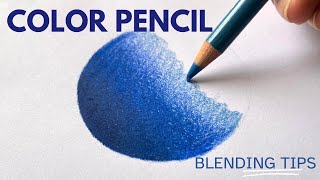
How To Blend Colored Pencils Smoothly On Cheap Sketchbook Paper
Colored pencils are prized for their vibrant hues and precise control, but many artists assume that a smooth blend requires expensive, heavyweight paper. In reality, with the right preparation and technique, even a budget‑friendly sketchbook can deliver professional‑grade results. The following guide walks you through the essential steps—paper selection, surface prep, layering methods, blending tools, and finishing touches—to help you achieve seamless gradients without breaking the bank.
Choose the Right Sketchbook Paper
Not all sketchbooks are created equal. While cheap paper often feels thin or rough, certain specifications make it more suitable for colored pencil work.
- Weight: Aim for 70–100 gsm (grams per square meter). Paper in this range is light enough for a pocket‑size sketchbook but thick enough to hold pigment without excessive wear.
- Texture (tooth): A fine‑to‑medium tooth (150–200 lpi) provides enough “grab” for the pencil while allowing colors to glide together.
- Acidity: Look for acid‑free paper. Acidic fibers can yellow over time, compromising both color vibrancy and archival quality.
- Surface Finish: A smooth‑ish finish reduces drag, making it easier to blend layers without creating unwanted grainy marks.
If you already own a sketchbook that feels too rough, a quick pre‑treatment (see the next section) can improve its performance.
Prepare Your Surface
Proper surface preparation minimizes the need for excessive pressure, which can damage cheap paper and cause unwanted texture.
- Use a clean, dry cloth to remove dust from the page.
- Lightly rub the area you plan to work on with a piece of soft tissue or a cotton ball. This creates a subtle, even surface that helps pigments settle uniformly.
- If the paper feels too porous, apply a thin coat of a spray fixative (e.g., a clear acrylic medium) and let it dry completely before drawing. This step seals the fibers temporarily, allowing smoother pencil motion.
Layering Techniques for Seamless Blends
Effective blending starts with how you build color. Follow a disciplined layering approach to avoid muddy results.
- Start Light: Lay down a light base of the dominant hue. Use a gentle pressure to keep the layer thin.