How To Improve Your Dog’s Eyesight: A Practical Guide for Pet Parents
Dogs rely heavily on their sense of sight to navigate the world, communicate with other animals, and bond with their owners. While canine vision differs from human vision, many owners can take proactive steps to keep their dog’s eyes healthy and even enhance visual function. Below is a concise, evidence‑based roadmap that blends nutrition, environment, and veterinary care.
Understanding Canine Vision
Dogs see the world in shades of blue and yellow, with fewer color receptors than humans. Their visual acuity is lower, but they excel at detecting motion and have a wider peripheral field. When you look into your pet’s eyes, you should see a clear, bright surface without cloudiness or excessive tearing.
Common Eye Problems That Affect Vision
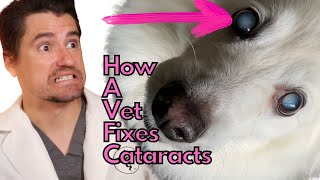
- Cataracts – A clouding of the lens that can lead to blindness. Early nutritional support may help slow the progression of cataracts.
- Corneal ulcers – Scratches on the outer eye surface, often caused by trauma or dry eye.
- Glaucoma – Increased intra‑ocular pressure that can damage the optic nerve.
- Progressive retinal atrophy (PRA) – A genetic condition that leads to gradual loss of photoreceptor cells.
Has your dog ever had an eye problem? Did you notice it straight away? Knowing what to look for—cloudy eyes, redness, squinting, or changes in behavior—can make a big difference.
Nutrition That Supports Visual Health
Diet plays a crucial role in maintaining healthy eyes. The following nutrients are backed by veterinary research:
- Omega‑3 fatty acids (EPA and DHA) – Found in fish oil, they help reduce inflammation and support retinal cell membranes.
- Antioxidants – Vitamins C and E, lutein, and zeaxanthin protect the lens and retina from oxidative damage.
- Taurine – An amino acid essential for retinal function, especially in breeds prone to retinal degeneration.
- Beta‑carotene – A precursor to vitamin A, necessary for low‑light vision.
Dr. Lera, a veterinary ophthalmologist, often recommends a balanced diet enriched with these ingredients for dogs at risk of cataracts or cloudy eyes.
Environmental Enrichment to Sharpen Vision
Just as humans benefit from eye exercises, dogs improve visual tracking through play and mental stimulation:
- Fetch with varying speeds encourages the eyes to follow moving objects.
- Hide‑and‑seek toys train depth perception and focus.
- Obstacle courses with low lighting help dogs adapt to different light levels.
Regular, low‑stress activities keep the visual pathways active