How To Improve Good Cholesterol
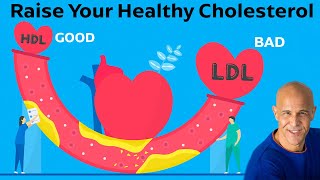
Good cholesterol, known as HDL (high‑density lipoprotein), helps transport excess cholesterol from the arteries to the liver for disposal. When HDL levels are low, the risk of heart disease rises, even if other lipid numbers appear normal. This article explains proven ways you can raise your HDL and keep your cardiovascular system healthy.
What Is Good Cholesterol?
HDL is considered the “clean‑up crew” of the bloodstream. Unlike LDL (low‑density lipoprotein), which can deposit plaque on artery walls, HDL removes cholesterol and carries it back to the liver. A higher HDL count is linked to a lower chance of heart attacks and strokes.
Why Raising Your HDL Matters
Low HDL cholesterol level is one of the most common deranged lipid patterns observed in clinical practice. While medications can lower LDL and triglycerides, they often have a modest effect on HDL. Therefore, lifestyle changes that increase HDL are a crucial part of a heart‑healthy plan.
Lifestyle Strategies to Increase Your Good Cholesterol
Below are evidence‑based actions you can incorporate today. Each recommendation is supported by large observational studies or randomized trials.
1. Get Moving – Aerobic Exercise Works
Regular aerobic activity is the most reliable way to boost HDL. Aim for at least 150 minutes of moderate‑intensity or 75 minutes of vigorous‑intensity exercise per week. Examples include:
- Brisk walking or jogging
- Cycling on flat terrain or hills
- Swimming laps or water aerobics
- Group fitness classes such as Zumba or kickboxing
Even short bouts of activity—like a 10‑minute walk after meals—add up. Consistency matters more than intensity; you can start with a few minutes a day and gradually increase the duration.
2. Choose Healthy Fats
Not all fats are created equal. Replacing saturated and trans fats with monounsaturated and polyunsaturated fats can modestly raise HDL while lowering LDL. Include these foods:
- Olive oil, avocado oil, and canola oil
- Whole‑fat dairy in moderation (e.g., yogurt, cheese)
- Nuts and seeds, especially almonds, walnuts, and flaxseed
- Fatty


![Raise Good Cholesterol with this COFFEE HACK [Raise HDL-C] - 2026](https://i.ytimg.com/vi/t6thxv-ndu0/mqdefault.jpg)