Understanding Low Blood Pressure (Hypotension)
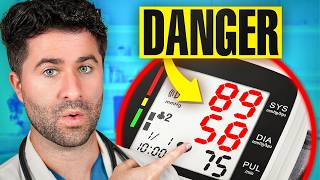
Low blood pressure, medically known as hypotension, occurs when the force of blood against the walls of your arteries is lower than normal. While many people associate blood pressure problems with hypertension, a systolic reading below 90 mm Hg or a diastolic reading under 60 mm Hg can cause dizziness, fatigue, and occasional fainting. Recognizing the symptoms early is the first step toward improvement.
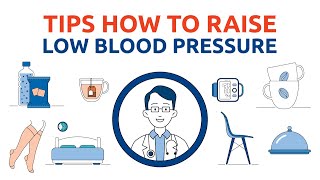
Top 10 Scientifically Proven Strategies to Raise Your Blood Pressure
- Increase Fluid Intake – Dehydration reduces blood volume. Aim for at least 2–3 liters of water daily, especially on hot days or after exercise.
- Add a Moderate Amount of Salt – Sodium helps retain water in the bloodstream. A typical recommendation is an extra ½ teaspoon of salt per day, but consult your physician if you have heart or kidney concerns.
- Eat Small, Frequent Meals – Large meals can divert blood to the digestive tract, causing a post‑prandial drop in pressure. Opt for five to six smaller meals throughout the day.
- Choose Nutrient‑Dense Foods – Foods rich in B‑vitamins, iron, and folate support healthy blood production. Examples include lean meats, beans, leafy greens, and fortified cereals.
- Incorporate Compression Stockings – Graduated stockings apply gentle pressure to the legs, preventing blood from pooling and helping maintain a steadier pressure.
- Practice Gentle Physical Activity – Regular walking, swimming, or low‑impact cycling improves circulation without the abrupt blood‑pressure spikes that intense exercise can cause.
- Elevate the Head of the Bed – Raising the mattress by 6–8 inches can reduce nighttime drops in pressure and lessen morning dizziness.
- Avoid Alcohol in Excess – Alcohol expands blood vessels, which can lower blood pressure further. Limit intake to moderate amounts or avoid it altogether if you’re prone to symptoms.
- Monitor Medications – Some prescription and over‑the‑counter drugs (e.g., diuretics, beta‑blockers) may contribute to low readings. Speak with your doctor about possible adjustments.
- Stay Calm During Sudden Position Changes – When moving from lying down to standing, pause for