Introduction to Improving VO2 Max and Lactate Threshold
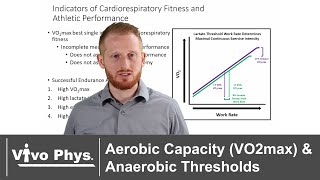
For athletes and individuals seeking to enhance their endurance and overall fitness, understanding how to improve VO2 max and lactate threshold is crucial. VO2 max, or maximal oxygen uptake, is the body's ability to use oxygen to generate energy during intense exercise. Lactate threshold, on the other hand, refers to the point at which the body starts to accumulate lactic acid, leading to fatigue. Improving these two components can significantly boost performance and stamina.
Understanding VO2 Max
VO2 max is a key indicator of aerobic capacity, which is the body's ability to use oxygen to convert glucose into energy. A higher VO2 max score indicates a more efficient oxygen delivery system, allowing for more intense and prolonged exercise. Factors that influence VO2 max include genetics, age, sex, and cardiovascular health. While genetics play a significant role, it is possible to improve VO2 max through targeted training and lifestyle changes.
Understanding Lactate Threshold
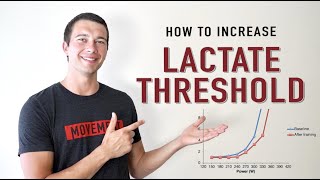
Lactate threshold is the intensity at which the body starts to accumulate lactic acid, marking the transition from aerobic to anaerobic metabolism. As the body exercises at a higher intensity, it relies more on anaerobic energy production, leading to the accumulation of lactic acid. The lactate threshold is a critical determinant of endurance performance, as it signifies the point at which fatigue begins to set in. Improving lactate threshold enables athletes to perform at higher intensities for longer periods.
Training Methods to Improve VO2 Max and Lactate Threshold
Several training methods can help improve VO2 max and lactate threshold. These include:
- High-Intensity Interval Training (HIIT): HIIT involves short bursts of high-intensity exercise followed by brief periods of rest or low-intensity exercise. This type of training has been shown to be effective in improving both VO2 max and lactate threshold.
- Endurance Training: Engaging in regular endurance activities such as distance running, cycling, or swimming can help improve VO2 max and lactate threshold over time.
- Strength Training: Incorporating strength training into your routine can also improve lactate threshold by increasing muscle efficiency and enhancing neuromuscular function.
- Altitude Training: Training at high altitudes can stimulate adaptations that improve VO2 max, as the body adapts to the lower oxygen levels.
Additional Strategies for Improvement
In addition to training methods, there are several other strategies that can help improve VO2 max and lactate threshold. These include:
- Incorporating hill sprints into your training routine, which can help improve explosive power and increase lactate threshold.
- Incorporating tempo runs into your training routine, which can help improve lactate threshold and increase endurance.
- Monitoring and managing stress levels, as high levels of stress can negatively impact training adaptations and overall performance.
- Ensuring adequate nutrition and hydration, as proper fueling and hydration are essential for optimal performance and recovery.
Conclusion
Improving VO2 max and lactate threshold requires a combination of targeted training, lifestyle changes, and patience. By incorporating high-intensity interval training, endurance training, strength training, and other strategies into your routine, you can enhance your aerobic capacity and increase your endurance. Remember to also prioritize proper nutrition, hydration, and stress management to support your training and overall health. With consistent effort and dedication, you can optimize your VO2 max and lactate threshold, leading to improved performance and a stronger, healthier body.