How To Improve Your Balance: A Practical Guide
Balance is more than a skill for athletes or dancers—it's a cornerstone of everyday safety and independence. Whether you’re a senior looking to reduce the risk of falls, a busy professional, or a fitness enthusiast, targeted exercises can strengthen the muscles, joints, and nervous system that keep you upright. Below you’ll find evidence‑based strategies, simple at‑home routines, and expert‑approved drills that make improving balance both effective and accessible.
Why Balance Matters
Good balance prevents falls, which are a leading cause of injury and loss of mobility, especially among older adults. It also enhances athletic performance, aids in daily tasks, and boosts confidence when moving on uneven surfaces or while carrying objects. The ability to maintain equilibrium relies on three key systems:
- Proprioception – the body’s sense of position.
- Vestibular – inner‑ear signals that detect head movement.
- Visual – eye cues that help orient the body.
When any of these systems falter, balance can suffer. Common contributors include aging, medication side effects, joint stiffness, and reduced core strength.
Common Causes of Balance Loss
- Loss of proprioceptive feedback due to joint degeneration.
- Vestibular disorders such as benign paroxysmal positional vertigo.
- Visual impairments or low lighting.
- Muscle weakness, particularly in the hips and ankles.
- Reduced core stability and poor posture.
Understanding these factors helps tailor an exercise program that addresses the root causes rather than just the symptoms.
Assessing Your Balance
Before starting any routine, it’s wise to evaluate your current balance. Simple self‑tests include:
- Single‑leg stand – hold for 10 seconds on each foot.
- Timed Up & Go – time yourself walking 3 meters, turning, and returning.
- Observe gait patterns while walking on a straight line.
If you notice persistent instability or frequent trips, consider a professional assessment by a physical therapist.
The Best Home Exercises to Boost Balance
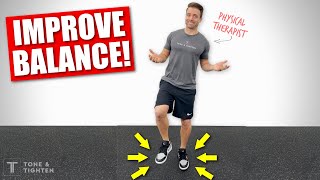
Expert therapists like Doug Weiss, DPT and Jessica Valant have developed short, effective workouts that fit into busy schedules. Below is a compilation of proven drills that target the core, hips, ankles, and proprioception.
1. Single‑Leg Stance with Arm Reach
Stand on one leg while reaching the opposite arm forward and then side