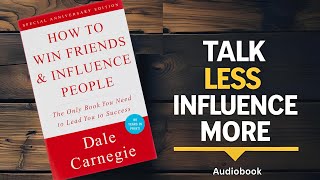
How To Influence People: Proven Strategies for Everyday Success
Influencing others is a skill that goes beyond charisma—it’s about building trust, communicating clearly, and understanding human nature. Whether you’re leading a team, networking at an event, or simply trying to get a point across, the right techniques can make a lasting impact. Below you’ll find a practical, evidence‑based guide that blends timeless wisdom from Dale Carnegie’s classic How to Win Friends and Influence People with modern research on persuasion.
Why Influence Matters in Every Aspect of Life
Influence is the engine behind:
- Career advancement and leadership effectiveness
- Stronger personal relationships
- Successful negotiations and sales
- Positive community and social change
When you master influence, you create win‑win outcomes that benefit both you and the people you interact with.
Core Principles from Dale Carnegie
Carnegie’s book remains a cornerstone for anyone who wants to improve interpersonal impact. The following principles are still relevant in today’s digital age:
1. Show Genuine Appreciation
People crave recognition. A sincere compliment or a simple thank‑you can open doors that logic alone cannot. Avoid flattery that feels insincere; focus on specific actions you truly value.
2. Listen More Than You Speak
Active listening signals respect. When you let others finish their thoughts and reflect back what you heard, they feel understood and are more likely to consider your perspective.
3. Find Common Ground Quickly
Identify shared interests or goals early in a conversation. Commonality reduces resistance and creates a collaborative atmosphere.
4. Admit Mistakes Promptly
Owning up to errors builds credibility. It shows humility and encourages others to be open about their own challenges.
5. Appeal to Noble Motives
People want to see themselves as good, ethical, and helpful. Frame requests in a way that aligns with their values and sense of purpose.
Modern Techniques to Boost Your Influence
While Carnegie’s principles lay the foundation, contemporary research adds tools you can apply today.
Leverage the Power of Storytelling
Stories activate emotional centers in the brain, making messages more memorable. Use brief, relevant anecdotes to illustrate key points.
Use the “Foot‑In‑The‑Door” Technique
Start with a small, easy request. Once the person complies, they are more likely to agree to a larger request later.
Mirror Body Language Subtly
Mirroring the posture, tone, or gestures of your counterpart creates subconscious rapport. Keep it natural; over‑mirroring can feel manipulative.


![How To Win Friends And INFLUENCE People –Dale Carnegie [COMPLETE summary]](https://i.ytimg.com/vi/8SUiLkl42FQ/mqdefault.jpg)