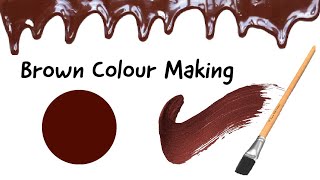
How To Make Brown Mixing Colors
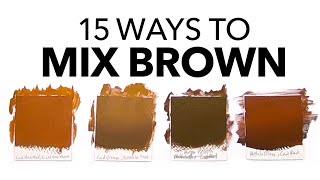
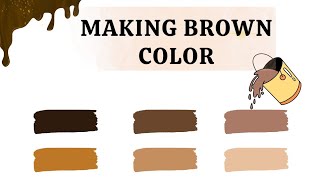
Brown is one of those versatile hues that can warm up a painting, add depth to a portrait, or give a natural feel to a landscape. Yet many artists wonder how to create reliable brown tones without relying on pre‑mixed paints. In this guide you will learn a step‑by‑step method for mixing brown colors from scratch, using only the primary pigments most palettes already contain.
Understanding the Basics of Color Mixing
Before you start blending, it helps to remember a few fundamental principles. Brown is essentially a muted, darker version of a hue that has been balanced by its complementary color. When you combine a color with its opposite on the color wheel, the result is a neutral tone. Adding a little extra of one side will shift the neutral toward a richer brown.
For example, the classic equation GREEN + RED = brown works because green and red are complementary. Similarly, BLUE + ORANGE or PURPLE + YELLOW can produce brown when the proportions are adjusted.
Materials You’ll Need
- Primary paints: red, blue, and yellow (or their close equivalents such as cadmium red, ultramarine blue, and lemon yellow).
- At least one secondary color (green, orange, or purple) for fine‑tuning.
- A mixing palette, palette knife or brush, and a clean white surface for testing.
Step‑By‑Step Brown Mixing Process
- Start with a Complementary Pair. Choose a primary and its complementary secondary. A reliable starter is red mixed with green. Place a small amount of each on the palette.
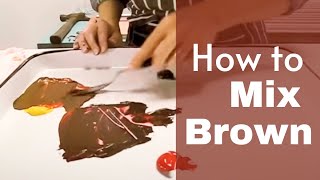
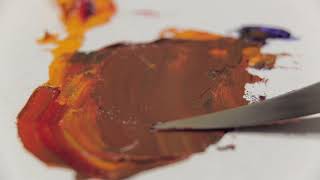
- Mix Equal Parts. Using a palette knife, blend the red and green together. The initial result will be a muddy gray. This is the neutral base from which brown will emerge.
- Adjust the Value. Add a touch of yellow to lift the mixture. Yellow warms the tone and pushes it toward a golden brown. Add the yellow gradually—too much will shift the color toward ochre.