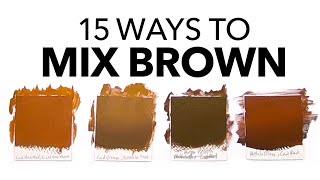
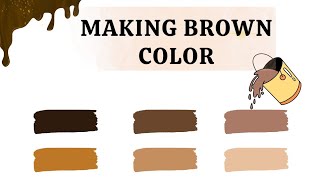
How To Make Brown To Dark Brown
Understanding Color Theory
Before you start darkening any brown, it helps to revisit the basics of color theory. Brown is a neutral tone created by mixing complementary colors—typically a primary hue with its opposite on the color wheel. Because brown already contains a balance of warm and cool pigments, adding more of one side can shift its temperature while a neutral darkening keeps the hue stable. Knowing which pigments are warm (reds, yellows) and which are cool (blues, greens) lets you control the final shade without unintentionally turning the brown muddy.
Choose the Right Base Brown
Not all browns start from the same point. A light, “sand‑yellow” brown will behave differently than a reddish “cocoa” brown when you add darker pigments. For consistent results, select a base that matches the undertone you want to keep. If you aim for a deep chocolate color, begin with a medium brown that already has a hint of red. If you prefer a cool, almost blackened brown, start with a neutral or slightly gray‑toned brown.
Darkening Techniques
There are several reliable ways to deepen brown without losing its character. Below are the most common methods, each with a short note on when to use it.
- Add a darker complementary color: Mixing a small amount of the opposite hue (e.g., a touch of blue for a warm brown) reduces lightness while preserving hue.
- Introduce a neutral black or gray: Pure black can be overpowering, so use it sparingly. A gray pigment, especially a warm gray, offers a smoother transition.
- Use a dark earth pigment: Raw umber, burnt sienna, or burnt umber are excellent for deepening brown because they already contain both warm and cool components.
- Layer with a transparent glaze: In painting, applying a thin, translucent layer of a dark color can shift the underlying brown without changing its texture.
- Adjust with a darkening medium: Commercial mixing mediums often contain a small amount of black or dark brown that can be blended directly into the paint.
Practical Mixing Steps
Follow this step‑by‑step process to turn a light brown into a rich dark brown:
- Gather your base brown, a dark earth pigment (e.g., burnt umber), a small amount of black or gray, and a mixing palette.
- Place a pea‑sized amount of the base brown on the palette. Note the original value and hue.
- Add a tiny dab of burnt um