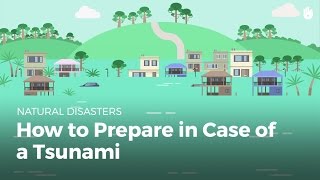
How To Prepare For A Tsunami: Essential Steps for Safety
Living near the coast brings beautiful views and recreation, but it also means being aware of the risk of a tsunami. A tsunami can strike with little warning, turning a peaceful shoreline into a dangerous surge of water. Preparing in advance saves lives, reduces panic, and helps communities recover faster. Below are clear, actionable steps you can take to protect yourself, your family, and your property.
1. Know the Local Risk
Before you can act, you need to understand the tsunami threat in your area.
- Check your regional hazard maps on the official government or NOAA website.
- Identify the nearest tsunami warning stations and the typical evacuation routes.
- Sign up for automated alerts via text, email, or weather apps that use the National Oceanic and Atmospheric Administration (NOAA) warning system.
2. Create a Family Evacuation Plan
A well‑rehearsed plan reduces confusion when seconds count.
- Designate meeting points—one near your home (for quick exit) and another outside the hazard zone (for regrouping).
- Identify multiple evacuation routes on a printed map; keep one route on foot and another for vehicles.
- Assign responsibilities—who grabs the emergency kit, who turns off utilities, and who contacts emergency services.
- Practice the plan at least twice a year, especially before the high‑risk storm season.
3. Build a Tsunami‑Ready Emergency Kit
Having supplies within reach means you won’t waste critical minutes searching for items.
- Water: At least one gallon per person per day for three days.
- Non‑perishable food: Ready‑to‑eat meals, energy bars, and canned goods.
- First‑aid kit: Bandages, antiseptic wipes, pain relievers, and any prescribed medications.
- Tools and equipment: Flashlight (with extra batteries), multi‑tool, whistle, and a portable radio tuned to NOAA alerts.
- Personal items: Copies of important documents, cash, and a change of clothing.
Store the kit in a waterproof container at ground level, and keep a secondary kit in your vehicle if you travel frequently along the coast.
4. Secure Your Home
While evacuation is the safest choice during a tsunami warning, reinforcing your property can mitigate damage for those who cannot leave in time.
- Elevate electrical appliances and the main breaker box above the estimated flood level.
- Install storm shutters or reinforced windows to reduce wind pressure.
- Anchor heavy furniture and appliances to walls to prevent them from becoming projectiles.