Is Tunisia Part Of France? A Historical Overview
When people ask Is Tunisia part of France, the answer is a clear “no.” Tunisia is an independent North‑African nation with its own government, culture, and borders. However, the question often arises because of a long period of French influence that began in the late 19th century. Understanding that relationship requires a look at how debt, conquest, and diplomatic agreements shaped Tunisian history.
How Did French Influence Begin in Tunisia?
Debt and Early Intervention
In the early 1800s, Tunisia faced mounting foreign debt. European creditors, especially French banks, extended loans that came with political strings attached. This financial dependence created a foothold for France to intervene in Tunisian affairs without direct military action.
The Bardo Treaty and the Protectorate (1881)
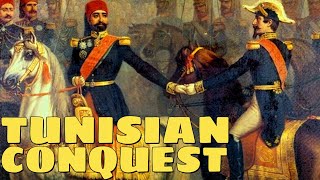
In 1881, the French government signed the Treaty of Bardo with the Bey of Tunis. The agreement established a French protectorate over Tunisia, effectively placing the country under French administration while preserving the nominal authority of the local ruler. This treaty marked the transition from financial control to outright colonial governance.
During the protectorate years, France reorganized Tunisian institutions, built railways, and promoted French language and culture. Nevertheless, the Tunisian people retained a distinct identity, and resistance movements grew throughout the early 20th century.
Modern Political Status of Tunisia
Independence in 1956
After World War II, nationalist sentiment intensified across North Africa. Negotiations between French officials and Tunisian leaders culminated in the signing of the Franco‑Tunisian Protocol on March 20, 1956. Tunisia officially became an independent kingdom that same year, later declaring a republic in 1957.