Label the Layers of the Atmosphere
Earth is surrounded by a dynamic envelope of gases that protects life, regulates temperature, and supports weather. This envelope, the atmosphere, is not uniform; it is divided into distinct layers that can be identified by changes in temperature, composition, and physical properties. Labeling these layers is essential for understanding everything from aviation to climate science.
Quick Overview of the Atmospheric Layers
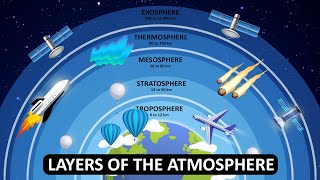
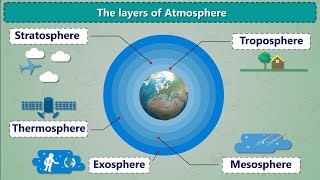
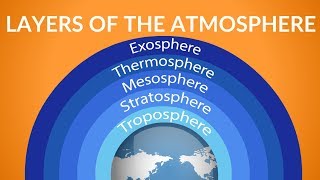
The atmosphere is traditionally segmented into five main layers, each named after the Greek word for “upper” or “high.” From the surface upward, they are:
- Troposphere – where weather occurs.
- Stratosphere – home to the protective ozone layer.
- Mesosphere – where meteors burn up.
- Thermosphere – where the auroras appear.
- Exosphere – the outermost fringe blending into space.
Below is a detailed label guide that explains each layer’s characteristics and why they matter.
1. Troposphere – The Weather Layer
Altitude Range
From the Earth’s surface up to about 8–15 km (5–9 mi) depending on latitude and season.
Key Features
- Temperature decreases with height (average lapse rate ~6.5 °C/km).
- Contains ~75 % of the atmosphere’s mass and 99 % of its water vapor.
- Supports all weather phenomena—clouds, rain, storms.
- Aircraft typically fly within this layer to avoid the denser air of the lower atmosphere.
Why Label It?
Understanding the troposphere is vital for meteorology, aviation, and environmental studies because it is where human activity most directly interacts with atmospheric processes.
2. Stratosphere – The Ozone Shield
Altitude Range
From the top of the troposphere (~15 km) to about 50 km (31 mi).
Key Features
- Temperature rises with altitude due to absorption of ultraviolet radiation by ozone (O₃).
- The ozone layer peaks around 20–30 km, protecting life from harmful UV rays.
- Wind patterns are more stable; no weather systems form here.
- Commercial jets often cruise near the lower stratosphere for fuel efficiency.
Why Label It?
Accurate labeling of the stratosphere helps in studying ozone depletion, climate change, and