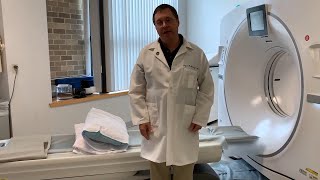
Low Dose CT Lung Cancer Screening Diagnosis Code
Lung cancer remains a leading cause of cancer‑related death worldwide. Detecting the disease at an early stage dramatically improves treatment options and survival rates. Low‑dose computed tomography (LDCT) has become the preferred screening tool for individuals at high risk, and understanding the correct diagnosis code is essential for clinicians, billing staff, and patients.
Why Low‑Dose CT Is Recommended for Screening
LDCT uses a fraction of the radiation dose of a standard chest CT while still providing high‑resolution images of the lung parenchyma. Large clinical trials, such as the National Lung Screening Trial (NLST), demonstrated that annual LDCT screening reduces lung‑cancer mortality by about 20 % compared with chest X‑ray screening. The test is non‑invasive, quick (typically 5–10 minutes), and can identify small nodules that are invisible on conventional radiographs.
Determining Patient Eligibility for LDCT Screening
Eligibility criteria are designed to target those most likely to benefit while minimizing unnecessary radiation exposure. Current guidelines from the U.S. Preventive Services Task Force (USPSTF) and major thoracic societies recommend screening for individuals who meet all of the following:
- Age between 50 and 80 years (some programs start at 55).
- A smoking history of 20 pack‑years or more.
- Current smokers or former smokers who quit within the past 15 years.
- No signs or symptoms that suggest an existing lung cancer diagnosis.
- Ability to undergo follow‑up imaging or procedures if a nodule is detected.
Clinicians assess these factors during a routine visit, often using a standardized questionnaire. Patients who do not meet the criteria may still be evaluated on a case‑by‑case basis, especially if they have additional risk factors such as occupational exposures or a strong family history of lung cancer.
Preparing for the LDCT Scan
Proper preparation helps obtain the best images and reduces the need for repeat scans:
- Clothing: Wear loose, comfortable clothing without metal fasteners.
- Breathing instructions: Patients are asked to hold their breath for a few seconds while the scanner captures images.
- Contrast agents: Generally not required for screening; contrast is reserved for diagnostic CTs.
- Medication review: Continue regular medications unless otherwise instructed.
Understanding the Diagnosis Code
Accurate coding ensures proper documentation, facilitates insurance reimbursement, and supports public health data collection. The primary coding elements for LDCT lung‑cancer screening are:
- CPT code 71271 – Low‑dose CT scan of the chest for lung‑cancer screening.
- ICD‑10‑CM code Z12.2 – Encounter for screening for malignant neoplasm of the respiratory system.
- When a nodule is detected, additional codes such as R91.8 (other abnormal findings on imaging of lung) may be appended.
Using both the CPT and ICD‑10 codes together signals that the scan is a preventive screening rather than a diagnostic study, which can affect patient cost‑sharing and eligibility for Medicare or private‑payer coverage.
Interpreting Screening Results
Radiologists classify findings using the Lung‑RADS (Lung Imaging Reporting and Data System) framework, which standardizes management recommendations:
- Lung‑RADS 1: Negative – no nodules or definitely benign findings; continue annual screening.
- Lung‑RADS 2: Benign appearance – small nodules with low suspicion; repeat screening in 12 months.
- Lung‑RADS 3: Probably benign – nodules that warrant a short‑term follow‑up CT (3–6 months).
- Lung‑RADS 4: Suspicious – nodules that require diagnostic work‑up, such as PET‑CT, biopsy, or referral to a thoracic surgeon.
Patients with a Lung‑RADS 4 result should receive clear communication about next steps, potential risks, and the importance of timely follow‑up.
The Mediastinum: Why It Matters
The mediastinum, the central compartment of the thorax, houses the heart, great vessels, trachea, esophagus, and lymph nodes. Lung cancer can spread to mediastinal lymph nodes early in its course. LDCT images include the mediastinum, allowing radiologists to assess for enlarged nodes or masses that may alter staging and treatment planning. Detecting mediastinal involvement at the screening stage can prompt earlier multidisciplinary evaluation.
Insurance Coverage and Reimbursement
Most major insurers, including Medicare, cover annual LDCT screening for eligible patients when the appropriate codes (CPT 71271 + ICD‑10 Z12.2) are submitted. Documentation should include:
- Patient’s age and smoking history.
- Statement of eligibility per USPSTF criteria.
- Result of the prior year’s scan (if applicable).
Failure to provide this information may lead to claim denials or patient out‑of‑pocket costs.
Dr. Enilari on the Value of Screening
Dr. Enilari, a thoracic oncology specialist, emphasizes that “LDCT screening is one of the few preventive services that directly saves lives by catching cancer before it spreads. For high‑risk patients, the benefit outweighs the minimal radiation exposure.” He also notes that consistent follow‑up after a positive screen is critical; delayed evaluation can diminish the survival advantage demonstrated in clinical trials.
Frequently Asked Questions
Q: Is the radiation from LDCT harmful? A: The dose is roughly 1/10th of a conventional chest CT, comparable to a few months of natural background radiation. The benefit of early detection in high‑risk individuals far exceeds this small exposure.
Q: How often should I be screened? A: Annual screening is recommended as long as the patient remains eligible (age, smoking status, etc.). If a nodule is found, the interval may be shortened according to Lung‑RADS recommendations.
Q: What if I quit smoking today? A: Former smokers who quit within the past 15 years and meet the pack‑year threshold remain eligible for screening.
Take the Next Step
If you or a loved one falls into the high‑risk category, discuss LDCT lung‑cancer screening with your healthcare provider. Early detection can be life‑saving, and proper coding ensures the service is covered and recorded accurately.
For additional resources, patient stories, and detailed guidelines, Learn more about lung cancer screening at YouAndLungCancer.org. The site offers tools to calculate eligibility, answer common questions, and connect you with specialists experienced in low‑dose CT screening.