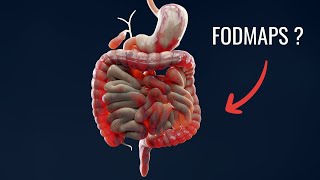
Low Fodmap Experience: A Three‑Year Journey to Digestive Comfort
When I first heard about the low FODMAP diet, I was skeptical. The idea of eliminating a group of carbohydrates that trigger IBS symptoms sounded promising, but I wondered how sustainable it could be in the long term. Three years later, my low Fodmap experience has turned into a practical roadmap for anyone looking to manage bloating, gas, and abdominal pain while still enjoying flavorful meals.
Why the Low FODMAP Diet Works
The low FODMAP diet is built on solid scientific research. FODMAPs—fermentable oligosaccharides, disaccharides, monosaccharides, and polyols—are short‑chain carbohydrates that are poorly absorbed in the small intestine. When they reach the colon, gut bacteria ferment them, producing gas and drawing water into the lumen. This can trigger IBS symptoms in sensitive individuals. By restricting high‑FODMAP foods during an initial “elimination phase,” many people experience rapid relief.
Key points from the science:
- Reduced fermentation lowers gas production.
- Limited osmotic activity decreases intestinal water content.
- Symptom relief often appears within two weeks of strict adherence.
These mechanisms are supported by randomized controlled trials, making the low FODMAP diet one of the most evidence‑based nutritional strategies for IBS.
Starting the Elimination Phase
My first week felt like a culinary reset. I removed all high‑FODMAP staples—such as wheat, onions, garlic, beans, and certain fruits—and replaced them with low‑FODMAP alternatives. The transition can be challenging, so I recommend using a trusted food list. Download a comprehensive low FODMAP food list to keep your pantry organized.
During this phase, I also tracked my symptoms daily. A simple spreadsheet helped me see patterns: when I ate a particular food, my bloating increased, and when I stuck to low‑FODMAP options, discomfort faded. This data‑driven approach is essential for a successful low Fodmap experience.
Reintroduction: Finding Your Personal Threshold
After two weeks of elimination, the next step is systematic reintroduction. This phase is where the diet becomes personalized. I followed these steps:
- Choose one FODMAP group at a time (e.g., fructans, lactose, polyols).
- Introduce a small portion of a test food and monitor symptoms for 48 hours.
- Record any changes and adjust portion size accordingly.
- Repeat with the next food in the same group before moving on to a new group.
Through careful reintroduction, I discovered I could tolerate moderate amounts of ripe bananas and small servings of wheat‑based pasta without triggering symptoms. This nuanced approach turned the low FODMAP diet from a strict restriction into a flexible lifestyle.