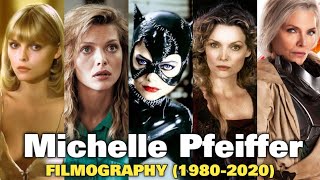
The Golden Era: Defining Michelle Pfeiffer’s 90s Movies
The 1990s represented a transformative decade for Hollywood, and few stars defined the era’s aesthetic and emotional range quite like Michelle Pfeiffer. Having already established herself as a powerhouse in the late 80s—most notably with her Oscar-nominated performance in The Fabulous Baker Boys—Pfeiffer entered the 90s as one of the most sought-after actors in the industry. Her ability to pivot between icy femme fatales, vulnerable romantics, and authoritative leaders made her a fixture of the decade’s most memorable cinema.
From Iconic Villainy to Cultural Impact
Pfeiffer’s 90s filmography is a masterclass in versatility. She possessed a rare ability to disappear into roles that demanded both physical transformation and deep psychological nuance. Whether she was donning leather to portray one of the most iconic comic book villains in history or leading a classroom of at-risk students, her presence on screen was magnetic.
Perhaps no role better encapsulates her 90s dominance than her turn as Selina Kyle in 1992’s Batman Returns. Her portrayal of Catwoman remains the gold standard for many fans and critics alike. She brought a tragic, fractured humanity to the character, balancing sharp wit with genuine danger. It was a career-defining performance that proved she could command a massive blockbuster with the same intensity she brought to independent dramas.
The Cultural Phenomenon of Dangerous Minds
Midway through the decade, Pfeiffer took on the role of LouAnne Johnson in 1995’s Dangerous Minds. The film, directed by John N. Smith, tells the story of an ex-marine turned teacher working in an inner-city school. While the film’s narrative—a teacher struggling to connect with and inspire troubled students—was a staple of the decade’s inspirational dramas, it was Pfeiffer’s grounded, no-nonsense performance that anchored the movie.
The film is perhaps best remembered today for its massive cultural footprint, bolstered by the legendary song "Gangsta's Paradise" by Coolio. The track became synonymous with the movie, topping charts worldwide and cementing Dangerous Minds as a quintessential piece of 90s pop culture. Pfeiffer’s portrayal of a woman out of her element but determined to make a difference resonated with audiences, proving her ability to carry a box-office success based on character work rather than spectacle.
Romantic Leads and Dramatic Depth
While Pfeiffer dominated the box office, she never lost her touch for the intimate dramas that defined her early success. In the wake of her breakthrough in The Fabulous Baker Boys, she continued to explore the complexities of human relationships throughout the 90s.
Her work in films like Love Field (1992), for which she earned an Academy Award nomination, showcased her ability to handle sensitive, historical subject matter with grace. She portrayed a Dallas housewife obsessed with the Kennedy family, highlighting the isolation and longing that often bubbled beneath the surface of her characters. Similarly, her role in The Age of Innocence (1993), directed by Martin Scorsese, displayed her talent for period drama. As Countess Ellen Olenska, she navigated the rigid social structures of 19th-century New York with a quiet, devastating elegance that contrasted sharply with her more contemporary roles.
Why Michelle Pfeiffer’s 90s Work Still Resonates
Looking back at Michelle Pfeiffer’s 90s movies, it is clear that her choices were driven by a desire for variety. She avoided being typecast, moving effortlessly between genres:
- Comic Book Adaptations: Setting the bar for anti-heroines in Batman Returns.
- Social Dramas: Exploring the challenges of the educational system in Dangerous Minds.
- Period Pieces: Bringing emotional depth to classic literature in The Age of Innocence.
- Romantic Comedies and Dram
![The Fabulous Baker Boys (1989) l Jeff & Beau Bridges, Michelle Pfeiffer | [Full Movie HD]](https://i.ytimg.com/vi/55Un_IxTZrg/mqdefault.jpg)