Understanding the Number Line from 1 to 100
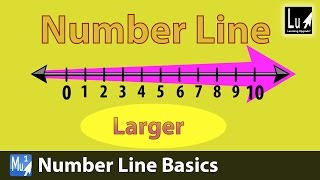
A number line is a straight visual representation that places numbers in order at equal intervals. When the line is limited to the integers from 1 to 100, it becomes a powerful tool for helping young learners grasp concepts such as counting, sequencing, addition, subtraction, and basic place‑value ideas. The simplicity of a 1‑to‑100 line makes it easy to draw on paper, display on a classroom wall, or interact with through digital apps.
Why Focus on the Range 1‑100?
The first hundred natural numbers cover the foundational milestones that most curricula target in early elementary grades. Within this range students:
- Learn to count forward and backward fluently.
- Recognize patterns such as the tens‑digit change every ten numbers.
- Begin to understand the concept of intervals and distance between numbers.
- Develop mental‑math strategies for adding or subtracting multiples of ten.
- Prepare for later work with larger numbers, fractions, and decimals.
Because the line is short enough to be fully visible, teachers can point to specific numbers, highlight groups, or demonstrate jumps without losing context.
Core Teaching Strategies
1. Concrete Introduction
Start with a physical line made from tape on the floor or a long strip of paper. Place numbered cards (1‑100) at equal spacing. Invite students to walk along the line, calling out each number as they step on it. This kinesthetic approach reinforces the idea that each successive number is one unit farther from the start.
2. Visual Patterns
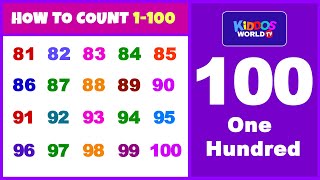
Highlight the tens columns (10, 20, 30 … 100) with a different color or a bold marker. Ask students to observe how the ones digit repeats (0‑9) while the tens digit increases. This visual cue supports place‑value understanding and prepares learners for skip‑counting.
3. Interactive Jumps
Use a marker or a movable counter to demonstrate “