Oi and Oy Worksheets: A Practical Guide for Parents and Teachers
Many learners encounter difficulty when they first see the vowel combinations “oi” and “oy.” These two digraphs produce the same diphthong sound /ɔɪ/ in words like boil and toy, yet they can be tricky to master. Oi and Oy worksheets help students practice spelling, pronunciation, and word recognition in a fun, interactive way. This article explains why these digraphs matter, how to use worksheets effectively, and where to find free resources to support learning at home.
Why “Oi” and “Oy” Matter in Early Literacy
In English, vowel teams and digraphs create a wide range of sounds. The combination of o and i or y produces a diphthong—a sound that glides from one vowel to another. Mastering this sound is essential for:
- Spelling accuracy in common words such as boil, point, boy, and toy.
- Reading fluency, because misreading a diphthong can change the meaning of a sentence.
- Confidence in word building, as students learn to blend sounds and apply phonics rules consistently.
When children learn how to pronounce a diphthong, they also develop a deeper awareness of how letters work together, which is a foundational skill for later reading and writing.
Phonetic Foundations: The Digraph “Oi” and “Oy”
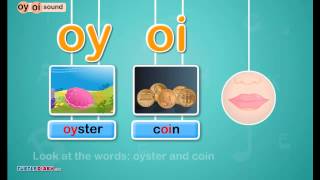
The digraphs “oi” and “oy” are often taught together because they share the same sound. A helpful way to introduce them is through a short phonics video that demonstrates how to blend vowel teams. This video, available on many educational platforms, shows the mouth movements and the sound produced by the diphthong.
To reinforce learning, ask students to:
- Listen to the sound and repeat it.
- Identify the sound in a list of words.
- Write the word after hearing it.
Once students can recognize the sound, worksheets can be used to practice spelling and word identification.
How to Teach with Oi and Oy Worksheets
Effective worksheets combine several activities that target the same phonics skill. Below are proven strategies that can be adapted to different age groups.
1. Word Sorting
Provide a list of words containing “oi” or “oy.” Students sort them into two columns: oi words and oy words. This activity reinforces the visual difference between the two digraphs while confirming the shared sound.
2. Fill‑In‑The‑Blanks
Use sentences with missing words that require the student to choose the correct “oi” or “oy” word. For example: “The cat likes to ??