Orange In Spanish: Color vs. Fruit
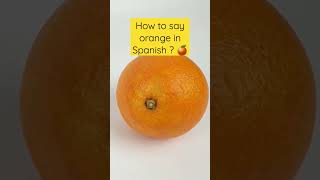
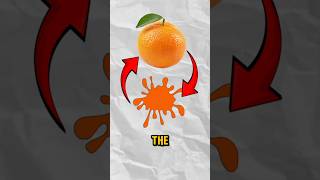
When you hear the word naranja, you might think of a bright citrus fruit, a vivid hue, or both. In Spanish, the same term is used for the fruit and the color, which can cause confusion for language learners. This article explores the dual meaning of “naranja,” compares its usage in everyday conversation, and offers practical tips for teaching kids the distinction.
The Spanish Word “Naranja” – Meaning and Usage
In Spanish, naranja functions as both a noun (the fruit) and an adjective (the color). The context determines which meaning is intended. For example:
- “Me gusta comer naranja en el desayuno.” – Here, naranja is the fruit.
- “Compré una camisa naranja para el verano.” – In this sentence, naranja describes a color.
Native speakers rarely need additional words to clarify the meaning because the surrounding words make the intent obvious.
Color vs. Fruit: How the Two Meanings Interact
Both meanings share a common origin. The word entered Spanish from Arabic nāranj, which itself came from Persian. The fruit was known before the color was widely recognized, so the term first described the fruit. Over time, the bright hue of the fruit inspired the color name.
In everyday Spanish, you will hear phrases such as:
- El jugo de naranja – orange juice (fruit).
- El color naranja – the orange color.
- Una naranja brillante – a bright orange (either a fruit that looks shiny or a vivid shade).
Because the same word covers both concepts, learners often ask, “Which orange came first? the color? or the fruit?” The answer is the fruit; the color name developed later based on the fruit’s natural shade.
Historical Perspective
Historical records show that the fruit was cultivated in the Mediterranean long before the color term spread across Europe. By the 13th century, the word “naranja” was firmly established as a fruit name in Spanish. The color usage appears in art and literature during the Renaissance, when painters began to name pigments after familiar objects, including the orange fruit.
Today, the dual meaning is standard in all Spanish‑speaking countries, though regional variations exist. In some areas, people may add