What Is Paragraph Editing and Why It Matters
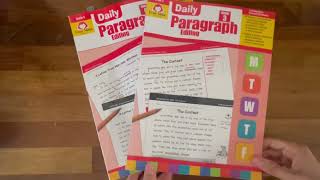
Paragraph editing is the process of reviewing and refining a block of text so that each paragraph conveys a single, clear idea while maintaining flow, coherence, and proper structure. Good paragraph editing improves readability, strengthens arguments, and helps writers meet the expectations of editors, teachers, and online audiences.
Core Principles of Effective Paragraph Editing
1. Unity
Every sentence in a paragraph should support one central thought. If a sentence introduces a new topic, it belongs in a separate paragraph.
2. Coherence
Ideas must be linked smoothly. Transitional words, consistent tense, and logical order keep the reader oriented.
3. Adequate Development
A well‑edited paragraph provides enough detail to explain the main idea without overwhelming the reader with unnecessary information.
4. Proper Length
While there is no strict rule, paragraphs that are too short can feel choppy, and overly long paragraphs can lose the reader’s attention. Aim for 3–7 sentences for most online content.
Step‑By‑Step Paragraph Editing Process
- Read the Paragraph Aloud. Hearing the text reveals awkward phrasing and pacing problems.
- Identify the Main Idea. Ask, “What single point does this paragraph make?” If you cannot answer, the paragraph needs focus.
- Check for Unity. Remove or relocate sentences that stray from the main idea.
- Enhance Coherence. Add transitional words (e.g., however, therefore) and reorder sentences for logical flow.
- Trim Redundancy. Eliminate repeated information and unnecessary filler words such as “very,” “really,” or “just.”
- Strengthen Sentence Structure. Vary sentence length, replace passive voice with active voice where appropriate, and ensure subject‑verb agreement.
- Proofread for Mechanics. Verify punctuation, capitalization, and spelling.
Tools and Resources for Paragraph Editing
- Grammar Checkers – Programs like Grammarly or Hemingway highlight long sentences, passive voice, and readability scores.
- Style Guides – The Chicago Manual of Style or APA provide rules for paragraph indentation, spacing, and citation consistency.
- Peer Review – Sharing a draft with a colleague or mentor offers fresh perspectives on clarity.
- Digital Note‑Taking Apps – Using tools such as Evernote or Notion lets you isolate paragraphs for focused editing.
Common Paragraph Editing Mistakes to Avoid
- Mixing Topics. Introducing multiple ideas in one paragraph confuses readers.
- Overusing Transitions. Repeating the same transition word (“however”) can sound mechanical.
- Neglecting Paragraph Length. Very long paragraphs often need to be split for better visual appeal.
- Ignoring Audience. Technical jargon may be appropriate for a scholarly