Rice For Orthopedic Injuries: A Practical Guide
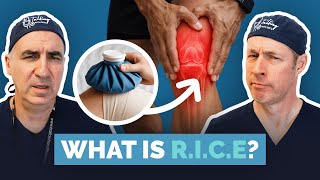
When a sudden accident—such as an ankle sprain or knee twist—occurs, the first instinct is to seek immediate relief. One of the most widely recommended protocols is RICE, an acronym that stands for Rest, Ice, Compression, and Elevation. This method has been a cornerstone of first‑aid treatment for orthopedic injuries for decades, and it remains a reliable tool for athletes, weekend warriors, and anyone who wants to manage pain safely.
What Is the RICE Method?
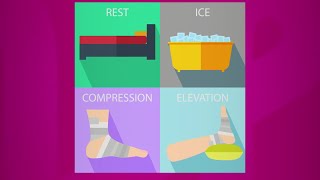
The RICE protocol is a step‑by‑step approach designed to reduce swelling, control pain, and protect damaged tissues while they begin the healing process. Each component works together to create an environment that supports the body’s natural repair mechanisms:
- Rest: Limit weight‑bearing and movement to prevent further strain on the injured joint.
- Ice: Apply cold therapy to constrict blood vessels, which helps minimize swelling and dulls pain signals.
- Compression: Use elastic bandages or sleeves to apply gentle pressure, reducing fluid accumulation.
- Elevation: Raise the injured limb above heart level to promote venous return and limit edema.
How to Correctly Apply RICE After an Accident
While the concept is simple, proper execution is essential for maximum benefit. Follow these detailed steps to ensure you are using RICE effectively:
- Rest immediately. As soon as you feel a sharp pain or hear a pop, stop the activity. Sit or lie down and avoid putting weight on the injured area.
- Ice within the first 48 hours. Wrap a thin towel around a bag of frozen peas or a commercial cold pack. Apply it to the injury for 15‑20 minutes every hour while you are awake. Do not place ice directly on the skin to avoid frostbite.
- Compress gently. Choose an elastic bandage that is snug but not so tight that it cuts off circulation. A good rule of thumb is to be able to slip a fingertip under the bandage. Re‑apply the compression after each icing session, as the bandage can loosen when the swelling changes.
- Elevate above heart level. Prop the injured limb on pillows or a reclining chair. Elevation helps drain excess fluid away from the joint, decreasing swelling and pain.
Should You Still Use RICE for All Orthopedic Injuries?
Most minor sprains, strains, and contusions respond well to RICE, but the protocol is not a one‑size‑fits‑all solution. Consider the following scenarios:
- Severe fractures or dislocations: RICE alone is insufficient.