Introduction to Safety Signs in the Community
Safety signs in the community play a vital role in protecting residents, visitors, and passersby. These signs serve as visual cues that guide individuals through public spaces safely, whether they are navigating busy streets, entering restricted zones, or following emergency protocols. Parents, educators, and local authorities all rely on these signs to communicate critical information effectively. By understanding their purpose and placement, communities can create safer environments for everyone.
Why Safety Signs Matter
From a young age, children learn to recognize symbols that indicate danger or caution. As soon as kids can play outside, parents teach them to stay away from the street, and when they are older, to look both ways before crossing. These early lessons are reinforced by safety signs in parks, schools, and neighborhoods. Similarly, pedestrians and drivers depend on signs to navigate traffic patterns and avoid accidents. Without clear signage, the risk of collisions, injuries, or emergencies escalates significantly.
Identifying Key Safety Signs
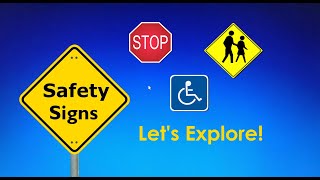
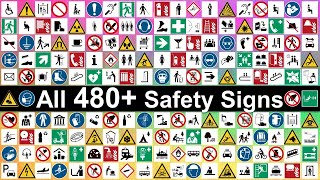
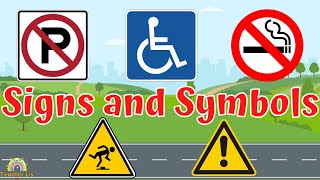
Let’s explore the most common types of safety signs found in community spaces:
- Traffic Signs: These include speed limit markers, stop signs, and yield indicators that regulate vehicle movement and protect pedestrians.
- Pedestrian Signs: Crosswalk symbols, “Walk/Don’t Walk” signals, and “No Crossing” signs ensure safe passage for foot traffic.
- Warning Signs: Alerts about hazards like uneven surfaces, wildlife crossings, or construction zones help prevent accidents.
- Emergency Signs: Fire exits, first aid stations, and disaster preparedness symbols are crucial during unexpected events.
Each sign follows standardized colors and symbols to ensure quick recognition. For example, red typically denotes danger or prohibitions, while yellow signals caution.