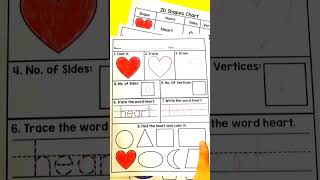
What Is a Shape Anchor Chart and Why It Matters in Early Learning
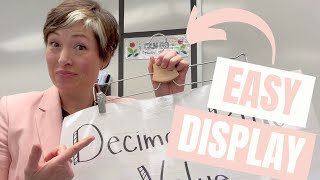
Welcome to a practical guide for teachers and parents! If you are looking for a simple yet powerful way to help young children understand geometry, the shape anchor chart is a wonderful tool. These visual aids are commonly used in preschool and kindergarten classrooms to introduce and reinforce the properties of 2D shapes. By displaying a chart that clearly shows shapes along with their attributes, you provide a constant reference that helps children build a strong foundation in early math concepts.
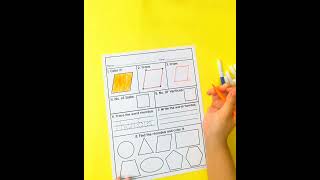
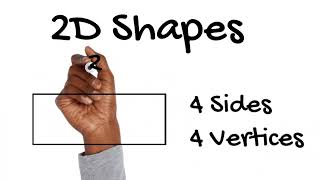
A shape anchor chart typically lists common 2D shapes such as circles, squares, triangles, and rectangles. Each shape is accompanied by its name, a visual representation, and key details like the number of sides and corners. For example, the chart might show a rectangle and note that it has four sides and four corners, while a triangle has three sides and three corners. This repeated exposure helps children internalize these properties through daily classroom routines.
Benefits of Using Anchor Charts for Shape Recognition
Anchor charts offer several advantages for early learners. First, they provide a consistent visual cue that students can refer to throughout the day. When children ask, "How many sides does this shape have?" you can simply point to the chart, encouraging independence and self-checking. Second, creating the chart together with your class can be an engaging activity that builds collaboration and ownership of learning.
For preschool and kindergarten teachers, an anchor chart also helps streamline instruction. Instead of drawing shapes repeatedly, you have a durable resource that can be used for whole-group lessons, small-group work, or individual practice. The shapes chart