Skeletal System Labeled Worksheet: A Complete Guide for Young Bone Experts
Understanding the human skeleton is a foundational step in science education. A skeletal system labeled worksheet provides a hands‑on way for students to identify each bone, learn its name, and see how the pieces fit together. We welcome all young bone experts to our classroom resources, where a clear diagram and interactive activities turn a complex topic into an exciting discovery.
Why Use a Labeled Worksheet?
Worksheets reinforce visual learning, improve retention, and give teachers a quick assessment tool. When a learner can point to the femur on a diagram and say, “This is the thigh bone,” they are building the vocabulary needed for future biology courses. A well‑designed worksheet also:
- Highlights major and minor bones in a single view.
- Provides space for students to write functions or fun facts.
- Encourages cross‑curricular connections with art (drawing the skeleton) and math (counting and measuring bone lengths).
Key Bones to Include on Your Worksheet
Below is a list of the most commonly labeled bones. Each entry can be paired with a blank label line on the worksheet.
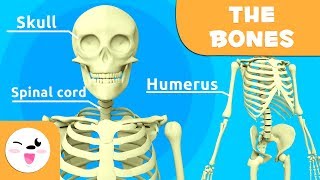
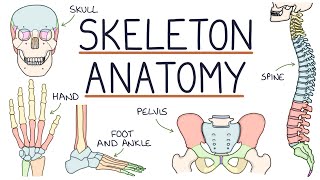
- Skull – protects the brain.
- Clavicle (collarbone) – connects the arm to the trunk.
- Scapula (shoulder blade) – anchors the upper arm.
- Sternum – central chest bone.
- Ribs – form the rib cage.
- Humerus – upper arm bone.
- Radius and Ulna – forearm bones.
- Pelvis – supports the spine and lower limbs.
- Femur – longest bone in the body.
- Patella – commonly called the “kneecap.”
- Tibia and Fibula – lower leg bones.
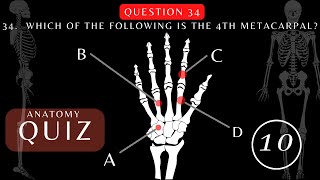
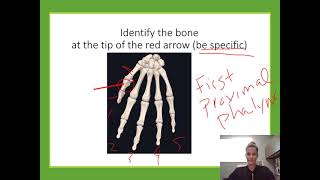
- Metacarpals and Phalanges – hand and finger bones.
- Metatarsals and Phalanges – foot and toe bones.