Soccer Explained for Americans: A Beginner’s Guide
For many Americans, soccer—known globally as football—can feel like a mystery. With the 2026 World Cup arriving in the United States, there has never been a better time to understand the world’s most popular sport. While the pace and terminology differ from American football, the core objective is simple: move the ball into the opponent's goal using any part of the body except the arms and hands.
The Fundamental Objective
At its heart, soccer is a game of continuous flow. Two teams of 11 players compete on a rectangular field for two 45-minute halves. Unlike American football, where the game is broken into distinct downs and plays, soccer is fluid. The clock does not stop when the ball goes out of play; instead, the referee adds "stoppage time" at the end of each half to account for delays caused by injuries or substitutions.
The goal is to score more points—called goals—than the opposition. A goal is awarded when the entire ball crosses the goal line between the posts and under the crossbar. Because scoring is relatively rare compared to other sports, every successful goal is a massive event, contributing to the high-stakes atmosphere that defines the game.
Key Rules Everyone Should Know
To follow a match effectively, you only need to master a few essential rules:
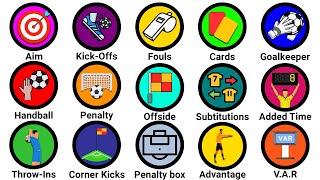
- The No-Hands Rule: Only the goalkeeper is permitted to touch the ball with their hands or arms, and they may only do so within their designated "penalty area" near their own goal.
- The Offside Rule: This is often the most confusing rule for new fans. To prevent players from simply "cherry-picking" or waiting by the opponent's goal, a player is in an offside position if they are nearer to the opponent's goal line than both the ball and the second-to-last defender when the ball is played to them.
- Fouls and Misconduct: Players cannot kick, trip, push, or hold opponents. Referees enforce these rules using yellow cards (a formal warning) and red cards (an immediate expulsion from the game). If a player receives a red card, their team must play the remainder of the match with one fewer player.
- Restarts: When the ball goes out of play, it is brought back in via a throw-in (from the sidelines), a goal kick (if the attacking team kicked it out), or a corner kick (if the defending team kicked it out).
The Structure of the Sport
Understanding the professional landscape is key to appreciating the stakes. Unlike the closed league structure common in American sports, professional soccer operates on a global pyramid. In European football, clubs compete in domestic leagues, but they also participate in prestigious tournaments like the UEFA Champions League. The best teams from across the globe qualify for these competitions based on their performance in their home leagues.
Perhaps the most important event is the FIFA World Cup, held every four years. Unlike club teams, which are made up of players from various countries, World Cup teams consist of players representing their own nations. It is widely considered the pinnacle of the sport, and with the 2026 tournament hosted across North America, fans in the U.S. will have a front-row seat to the highest level of international competition.
Why Soccer Captivates the World
For Americans accustomed to the frequent commercial breaks and high-scoring nature of the NFL or NBA, soccer offers a different experience. It is a game of patience, tactical chess, and endurance. Because the game does not stop, the momentum shifts are subtle and constant. Fans often find themselves on the edge of their seats during "build-up play," where a team moves the ball methodically toward the goal, waiting for a single defensive lapse.
Furthermore, the lack of constant play-calling means that players must possess high levels of "soccer IQ." They must make split-second decisions about passing, shooting, and positioning without the guidance of a h